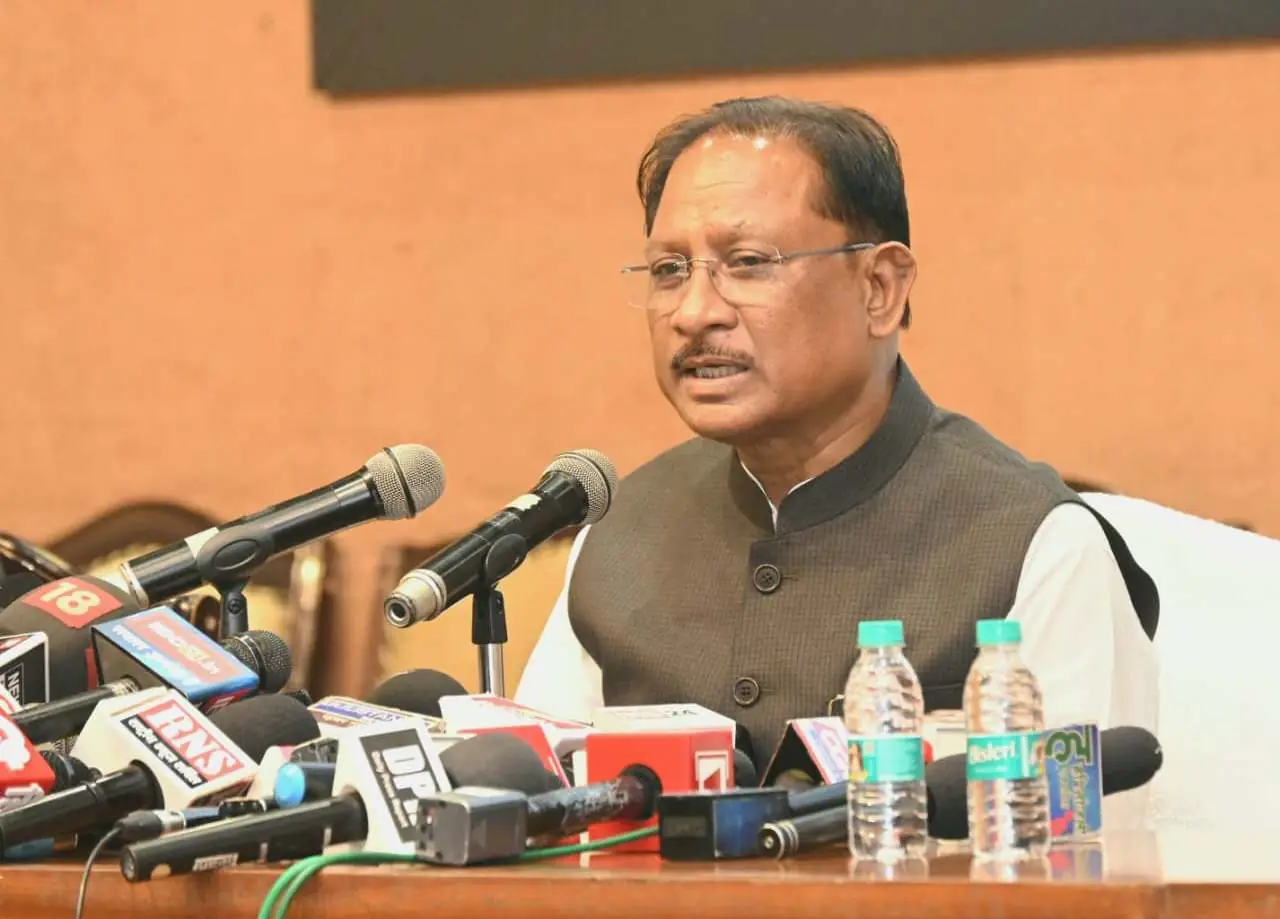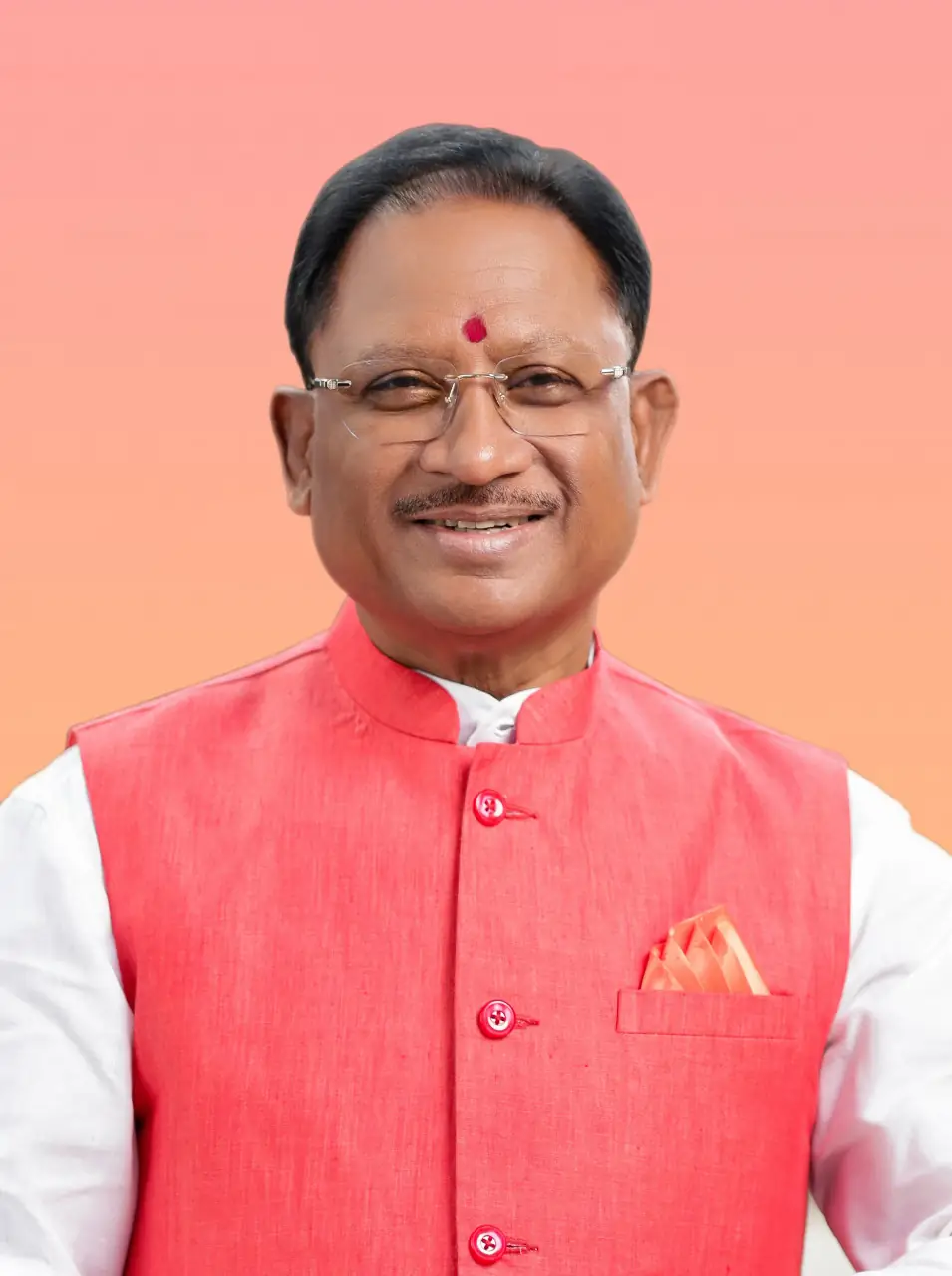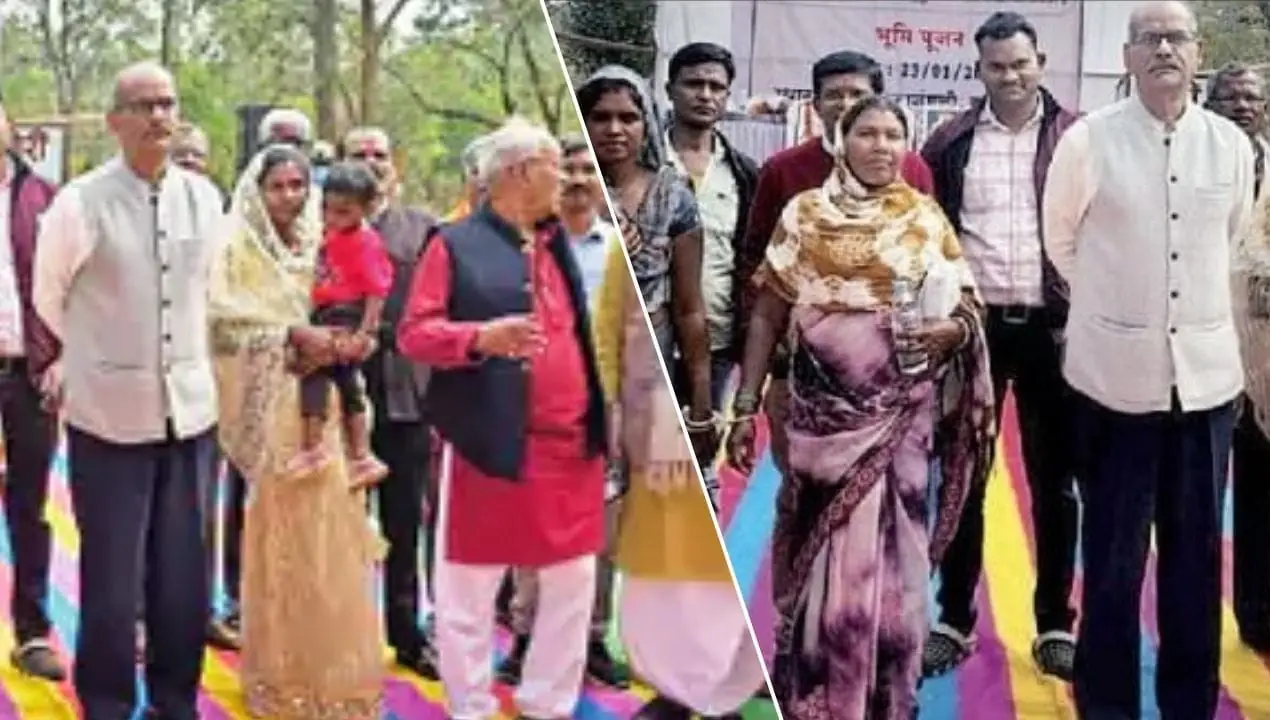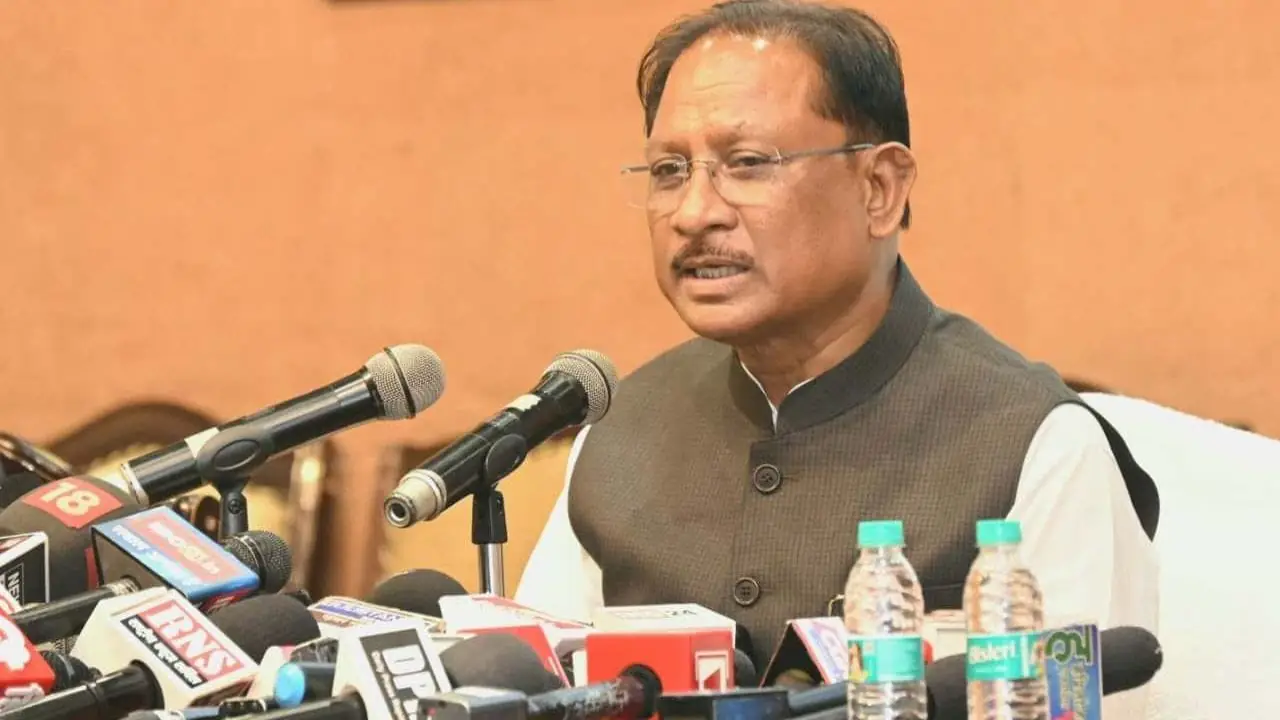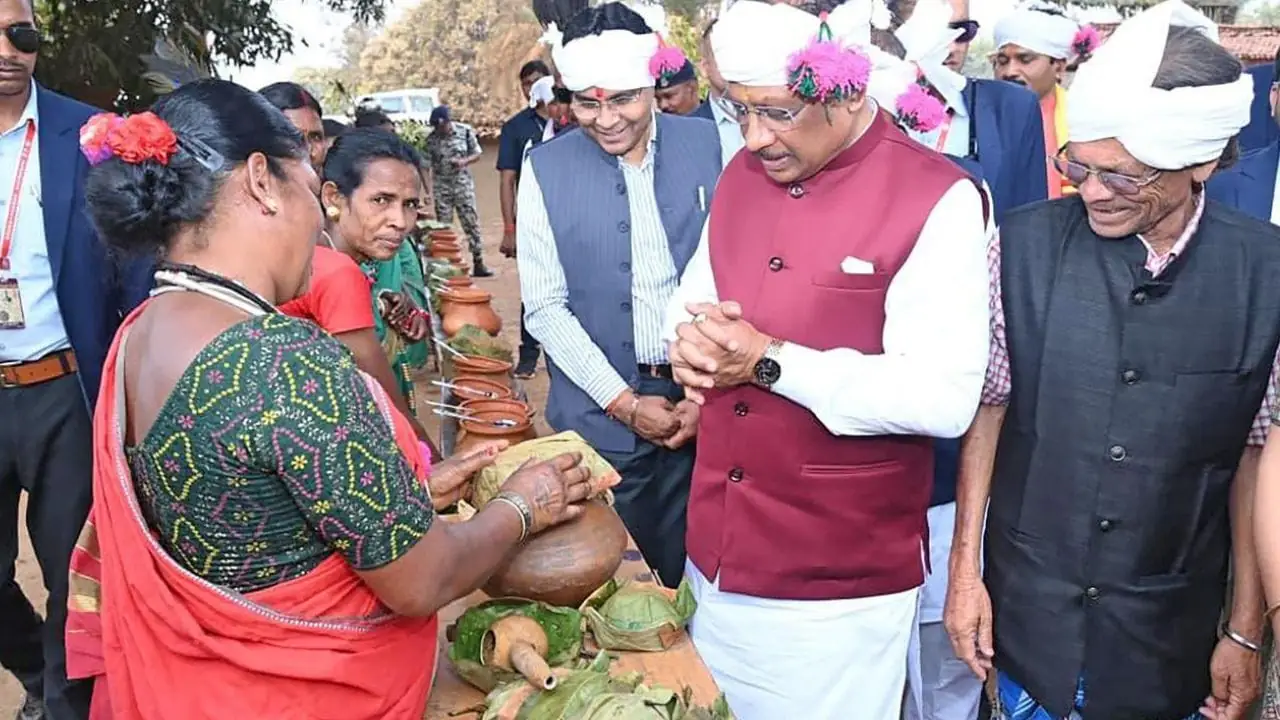
In a vibrant display of cultural reverence, Chhattisgarh Chief Minister Vishnu Deo Sai visited the Garhbengal Ghutul during his two-day stay in Narayanpur. Surrounded by the rhythmic beats of traditional instruments and warm welcomes from locals, the CM fully embraced the region’s rich folk traditions. ‘This Ghutul symbolizes our commitment to preserving our glorious heritage,’ he declared, highlighting the site’s role as a living testament to Bastar’s tribal ethos.
Sai meticulously inspected the Ghutul complex, including the Leyyor and Leyosk Kurma rooms designed for young men and women, as well as the Bidar Kurma showcasing traditional attire, ancient instruments, and cultural artifacts. His government, he affirmed, remains steadfast in safeguarding Bastar’s unique customs, knowledge systems, and traditions that have endured through generations.
The visit peaked with an exhibition of local delicacies, where Sai savored dishes infused with the earthy aroma of the soil. From Bhata-Ghato rice to Kodo rice, Urad dal, Hiruva dal, jeera greens, and an array of bamboo shoot preparations like Kanaki Pej and Ghirul flower stir-fry, each bite celebrated the self-reliant tribal lifestyle.
Delving into the architectural marvels, Sai admired the eco-friendly structure made from wood, mud, and bamboo under the Forest Department’s guidance and Padma Shri Pandiram Mandavi’s expertise. The intricate carvings on the pillars, personally etched by Mandavi, weave stories of cultural continuity and heritage preservation.
The CM’s itinerary extended to heartfelt meetings with Bastar’s luminaries: Vaidyaraj Padma Shri Hemchand Manjhi, Padma Shri Pandiram Mandavi, and renowned folk artist Butlu Ram. He also connected with the family of Tiger Boy Chendru. Accompanied by Forest Minister Kedar Kashyap, Revenue Minister Tankaram Verma, and other dignitaries, Sai shared a traditional meal, transforming the visit into a profound cultural communion.
This modern Ghutul near Chendru Park not only reconnects the youth with their roots but also promises to draw tourists worldwide, offering an authentic glimpse into tribal life and social structures. Sai’s engagement underscores a renewed push to promote and protect Bastar’s invaluable cultural treasures.