

India’s foreign exchange reserves have soared to an unprecedented peak, reaching $709.413 billion for the week ending January 23, marking a sharp weekly gain of $8.053 billion. The Reserve Bank of India (RBI) released this milestone data on Friday, underscoring the nation’s robust economic momentum just days ahead of the Union Budget presentation.
This new high eclipses the previous record of $704.89 billion set in September 2024, reflecting sustained strength in India’s external finances. Breaking down the components, foreign currency assets (FCAs)—the largest segment—climbed by $2.367 billion to $562.885 billion. Gold reserves, another key pillar, jumped $5.635 billion to $123.088 billion, buoyed by global price surges.
Special Drawing Rights (SDRs) with the IMF edged up by $33 million to $18.737 billion, while reserve position in the IMF rose $18 million to $4.703 billion. Last week, reserves had already surged $14.167 billion to $701.36 billion, building on a positive trajectory.
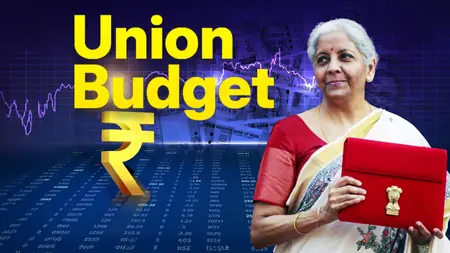
With Finance Minister Nirmala Sitharaman set to unveil the budget on February 1, this record hoard signals economic resilience. Forex reserves act as a critical buffer, enabling the RBI to stabilize the rupee during volatility, intervene in forex markets, and fund essential imports without strain.
A swelling reserve pile indicates robust dollar inflows from exports, remittances, and foreign investments, fostering trade confidence and reducing external vulnerabilities. Economists view this as a testament to India’s post-pandemic recovery, with implications for credit ratings and investor sentiment ahead of key policy announcements.
As global uncertainties loom—from geopolitical tensions to trade shifts—India’s fortified reserves position it advantageously, potentially supporting growth-oriented budget measures while maintaining macroeconomic stability.