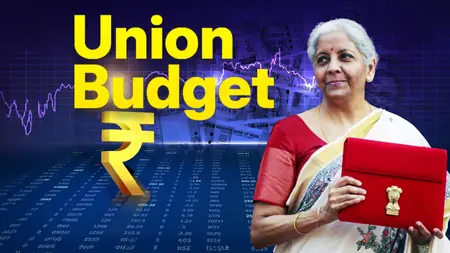
Mumbai’s financial corridors are buzzing with anticipation as investors eye the upcoming budget and its ripple effects on the stock market. A perennial question haunts every trader: what happens to shares after the finance minister unveils the annual budget? To demystify this, we’ve delved into the performance of key indices over the last 15 budgets, revealing patterns that could guide your next move.
Data from a detailed SBI Securities report paints an optimistic picture for the short term. In the week following budget presentations, the Sensex has delivered positive returns in 11 out of 15 instances, averaging a healthy 2.10% gain. Losses occurred only four times, with an average dip of 2.05%. This suggests markets often shrug off initial jitters and climb higher soon after.
Extending the horizon to three months post-budget, the Sensex shows resilience with positive returns in nine cases, boasting an average profit of 6.77%. Negative performances in six budgets averaged a 5.28% loss, indicating a net bullish bias over the longer haul.
The Nifty mirrors this trend closely. One week out, it posted gains 12 times, averaging 2.04%, against three losses at 2.65%. Over three months, nine positive outings yielded 7.40% on average, while six downturns saw 5.46% erosion.
Midcap and smallcap indices, often more volatile, followed suit in the immediate aftermath. Nifty Midcap 100 and Smallcap 100 both gained in 11 of 15 weeks, with averages of 3.1% and 3.3% respectively. Losses were limited to four occasions each, around 2.7-3%.
Three months later, midcaps shone with 10 positive periods at 8.67% average, against five losses of 7.77%. Smallcaps were patchier—seven gains at a stellar 14.54% but eight losses averaging 8.77%.
These trends underscore a historical tendency for markets to rebound post-budget, rewarding patient investors. Yet, past performance isn’t a crystal ball; global cues, policy specifics, and economic winds will shape the future. As the next budget looms, history offers hope but demands vigilance.