Washington is intensifying scrutiny over the quality and origins of imported medications flooding the American market. In a pivotal Senate hearing, lawmakers raised alarms about the nation’s heavy reliance on foreign suppliers, particularly from India and China, for essential generic drugs. The session, titled ‘Truth in Labeling: Americans Deserve to Know Where Their Drugs Come From,’ exposed stark vulnerabilities in the US pharmaceutical supply chain.
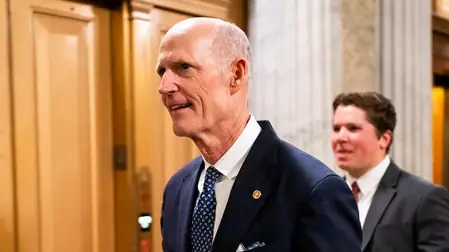
Senator Rick Scott, chair of the Senate Special Committee on Aging, unveiled his ‘Clear Labels Act’ initiative. This bill mandates that all prescription drugs sold in the US clearly disclose the manufacturing locations of both the finished product and its key active ingredients. ‘The findings from this investigation will shock you,’ Scott declared, revealing that 91% of US medications are generics, with 94% of their active components produced overseas—mostly in China and India.
The COVID-19 pandemic laid bare these risks when India halted exports of critical drug materials, threatening American lives. Lawmakers argued that without origin transparency, patients, doctors, and pharmacists operate blindly, unable to assess quality or safety. Foreign factories are notoriously hard for US agencies to monitor effectively.
‘This isn’t just a public health crisis; it’s a national security threat,’ Scott emphasized. If foreign suppliers cut off access, the US lacks a robust backup plan for life-saving medicines. Senator Ashley Moody highlighted FDA import alerts citing cancer-causing impurities, falsified batch records, and non-sterile conditions in overseas facilities. Seniors, who depend heavily on generics, stand to suffer the most.
Experts testifying, including Ohio State University’s Professor John Gray, endorsed transparency but cautioned it’s no panacea. Gray proposed QR codes on packaging linking to detailed origin and quality data, fostering competition on quality, not just price. Michael Ganio from the American Society of Health-System Pharmacists noted that origin info could curb the ‘race to the bottom’ in generic pricing, as consumers prefer US or Canadian-made drugs over those from India or China.
University of Minnesota’s Stephen W. Schondelmeyer described India as a vital yet problematic link in the chain, praising some quality products but decrying the lack of labeling standards applied to drugs unlike food or clothing. Duke-Margolis Institute’s Steven Colville outlined broader supply chain woes: shortages, quality issues, geopolitical risks, and pushes for domestic manufacturing.
The committee will keep the hearing record open for lawmakers to refine draft legislation. This push underscores bipartisan concerns amplified by pandemic disruptions, signaling a potential shift toward reshoring critical drug production and enforcing rigorous transparency.