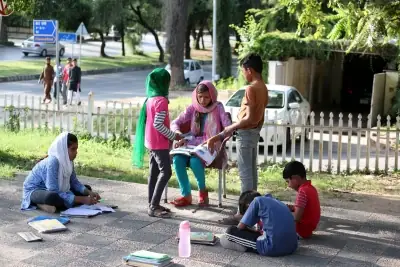
ISLAMABAD – Pakistan’s education system for girls is crumbling right after primary school, exposing deep government failures. A new report reveals that girls who complete class 5 hit an ‘invisible wall,’ dropping out due to distant middle schools, unsafe transport, male-dominated teaching staff, and conservative family attitudes. Despite their eagerness to learn amid floods, conflicts, and poverty, the system abandons them halfway, celebrating superficial successes.
Nishat Riaz, CEO of Malala Fund Pakistan, writing in The Express Tribune, laments this as not a lack of ambition but systemic sabotage. ‘Pakistani girls hunger for knowledge,’ she writes. ‘They brave disasters to attend school, yet the system halts them midway and calls it victory.’
Riaz highlights the obsession with photo-ops: ribbon-cuttings, smiling girls with new books, media fanfare. These mask a harsh reality – girls vanish from classrooms during adolescence, precisely when education could transform their lives. The upcoming ‘State of Girls’ Education in Pakistan’ report shows initial primary progress, followed by a disturbing pattern: confident starters fade away in their teens. ‘They’re not dropouts; they’re pushed out,’ she asserts.
Challenges go beyond teacher shortages. Middle and secondary schools are scarce, especially for girls, with distances compounding safety fears, unpaid care work, social norms, and poverty. Without safe transport or nearby schools, constitutional promises evaporate around age 10.
‘We provide basic literacy – reading yes, but not leading,’ Riaz notes. ‘Obeying, not challenging. Stopping education early is injustice.’ Primary schooling alone isn’t enough; secondary completion unlocks options and power.
The report warns that no nation thrives by sidelining half its population in adolescence. Pakistan must move beyond symbols to systemic reforms: more schools, safe transport, female teachers, and cultural shifts. Only then can girls’ potential fuel national progress.