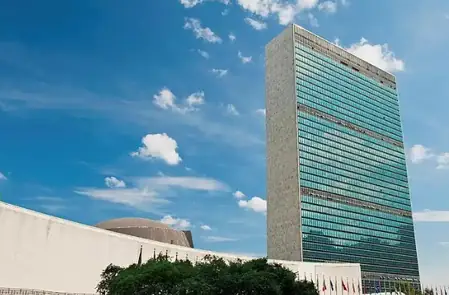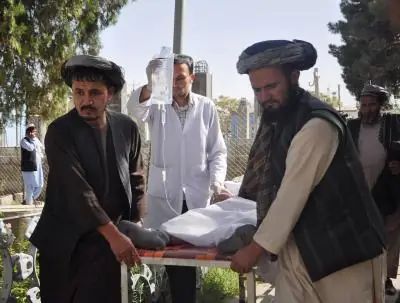
Kabul’s humanitarian crisis shows no signs of easing, with the United Nations forecasting a staggering demand for health services in the coming years. The UN Office for the Coordination of Humanitarian Affairs (OCHA) has projected that by 2026, approximately 14.4 million people in Afghanistan will require critical healthcare access. This alarming figure underscores the deepening plight in a nation still reeling from economic collapse and prolonged instability.
Local reports highlighted OCHA’s statement on Thursday, revealing that only about 7.2 million individuals might receive aid through existing programs. Among those in need, children make up 54 percent, women 24 percent, and people with disabilities 10 percent. Meeting these demands will necessitate over $190 million in funding, a tall order amid global donor fatigue.
OCHA warns that Afghanistan will remain the world’s largest humanitarian emergency in 2026, with roughly 22 million people dependent on aid. International organizations and NGOs are ramping up efforts in vaccinations, maternal care, and emergency medical services, but challenges persist.
Compounding the health crisis is a severe malnutrition epidemic among children, as noted by UNICEF earlier this week. Around 3.7 million kids grapple with acute malnutrition annually, exacerbated by economic downturn since 2021, droughts, and funding shortfalls. World Food Programme data indicates over 90 percent of families cannot afford adequate food, leading to irreversible developmental harm in children.
UNICEF Representative Tajuddin Oyewale launched updated guidelines on Tuesday, emphasizing urgent interventions for severe cases, including care for infants under six months. These revisions aim to enhance treatment outcomes and save lives in this dire context. Poverty, food insecurity, limited healthcare access, and maternal malnutrition drive the crisis, particularly in remote rural areas where medical facilities are scarce and restrictions on female health workers hinder progress.
As Afghanistan teeters on the brink, the international community faces a moral imperative to bolster support, ensuring that health and nutrition aid reaches those who need it most before the situation spirals further.