In the frantic moments following a disaster, the ‘golden hour’ can mean the difference between life and death. India’s Western Army Command has stepped up with groundbreaking solutions to ensure communication never fails, even when everything else crumbles.
At a high-level conclave in Chandimandir, military leaders, National Disaster Management Authority (NDMA) officials, and top IIT experts unveiled next-gen early warning systems powered by AI and satellite-linked modules. These innovations promise to transform India’s disaster response from reactive to proactive.
The star of the show was a resilient communication system that operates seamlessly amid total network blackouts during landslides, floods, or earthquakes. Designed for both urban and rural scenarios, it ensures rescuers stay connected when cell towers fail.
Lieutenant General Manoj Kumar Katiyar, GOC-in-C Western Command, emphasized the army’s role as the preferred first responder. ‘We’re building an ecosystem where technology meets human courage for zero-fail missions,’ he declared.
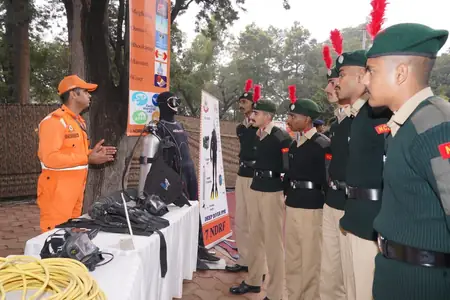
Interactive sessions showcased indigenous capabilities, including high-altitude rescue gear, CBRN suits, and advanced trauma kits. Experts from IIT Mandi highlighted remote sensing triumphs in landslide prediction, while NDRF analyzed 2025 flood challenges and proposed recycling strategies for resources.
NDMA Secretary Manish Bhardwaj and other dignitaries discussed protocols to maximize the golden hour. The event set action points for 2026, including joint training calendars and unified command structures.
This civilian-military synergy marks a new benchmark in inter-agency collaboration, fortifying India’s internal security and humanitarian framework against escalating natural threats.