
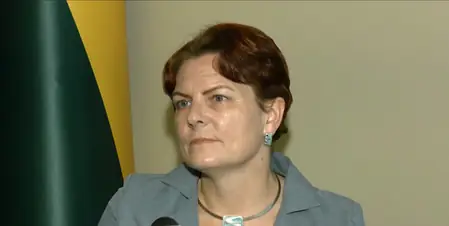
New Delhi’s diplomatic circles are buzzing with optimism as Lithuania’s Ambassador to India, Dana Mikneviciene, described the prospective EU-India Free Trade Agreement (FTA) as a ‘historic’ and ‘transformative’ pact, dubbing it the ‘mother of all agreements.’ In an exclusive interview, she emphasized its unprecedented scale, scope, and geopolitical significance, positioning it far beyond a standard trade deal.
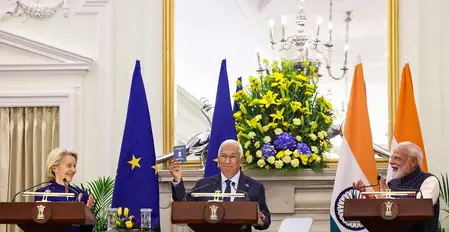
The ambassador highlighted that this FTA unites the world’s two largest trading blocs and two robust democracies amid rising global uncertainties. ‘It’s a model for building trade ties between democratic nations,’ she asserted, underscoring its role in fostering stability in turbulent times.
Mikneviciene pointed to vast market access opportunities as the agreement’s biggest boon for businesses on both sides. With India already a key player in global supply chains, the FTA could amplify its influence, especially alongside the EU, a cornerstone of international logistics. She noted India’s remarkable journey in trade engagement and predicted a bright future for EU-India economic relations.
For Lithuania, a small but dynamic economy, the benefits are particularly promising. Having thrived within the EU’s single market over the past two decades, deeper ties with India’s powerhouse economy could turbocharge growth. Current bilateral trade stands at around 400 million euros annually—far below its potential—leaving ample room for expansion in multiple sectors.
Lithuanian officials are gearing up to educate their exporters on reduced tariffs, streamlined procedures, and enhanced market access. The ambassador also spotlighted Lithuania’s strong purchasing power, with per capita income hovering at 29,000-30,000 euros, and a consumer base eager for premium Indian goods.
In a world grappling with trade tensions and US tariff policies, the EU-India FTA emerges as a reliable alternative. Mikneviciene expressed confidence in smooth implementation, citing strong political will from both sides. Technical collaborations in customs coordination and institutional frameworks will further streamline operations, heralding a new era of economic synergy.