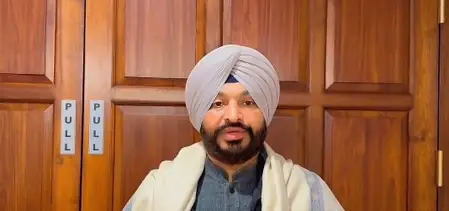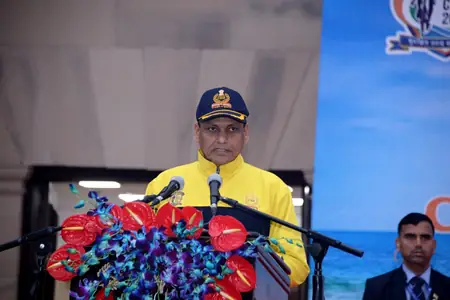
New Delhi witnessed a somber moment as Prime Minister Narendra Modi reached out to veteran Maharashtra leader Sharad Pawar on Wednesday following the tragic plane crash that claimed the life of his nephew and Deputy Chief Minister Ajit Pawar. The incident occurred near Baramati, sending shockwaves through the state’s political landscape.
PM Modi expressed deep condolences to the bereaved family during the conversation. Ajit Pawar’s last rites are scheduled for Thursday in Baramati, with expectations that both the Prime Minister and Union Home Minister Amit Shah may attend to pay their respects.
Earlier in the day, Modi took to the social media platform X to share his grief. ‘Deeply saddened by the tragic plane crash in Baramati, Maharashtra. My heart goes out to those who have lost their loved ones. Praying for strength to the grieving families during this hour of sorrow,’ he posted.
The news of Pawar’s demise has plunged Maharashtra’s political corridors into mourning. Senior leaders described the day as a ‘black day’ for the state, highlighting Ajit’s pivotal role in regional politics.
Investigations into the crash reveal chilling details from the final moments. The Learjet 45 crew had informed air traffic control that the runway was not visible. Just seconds before landing clearance, flames erupted near the runway.
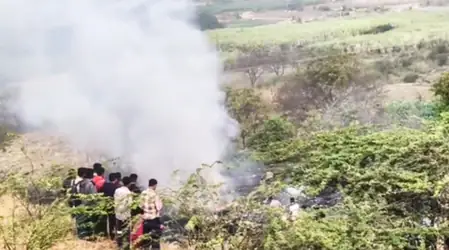
The fatal accident at Baramati Airport during an attempted landing killed Ajit Pawar, two pilots, and two others—totaling five lives lost. Pawar was en route to a public event in Baramati on Wednesday morning.
According to the Civil Aviation Ministry, the VSR Ventures-operated aircraft first contacted Baramati Aerodrome at 8:18 AM. As an uncontrolled airport, traffic information is provided by local flight training organizations.
The ministry’s statement noted that the plane was handed over by Pune Approach Control about 30 nautical miles from Baramati, advised to descend in visual meteorological conditions at crew discretion.
Pilots requested wind and visibility details, receiving reports of calm winds and 3,000-meter visibility. On final approach to Runway 11, they reported the runway not in sight, opted for a go-around, and repositioned.
During the second attempt, they again confirmed final approach but reiterated visibility issues. ‘Runway not yet visible; will call when in sight,’ the crew radioed. Seconds later, they confirmed sight and received landing clearance at 8:43 AM, though no readback was heard.
At 8:44 AM, personnel spotted fire near Runway 11. Emergency services rushed to the scene, discovering wreckage just left of the threshold. This tragedy underscores ongoing concerns about aviation safety at smaller airstrips, prompting calls for thorough probes and enhanced protocols.