

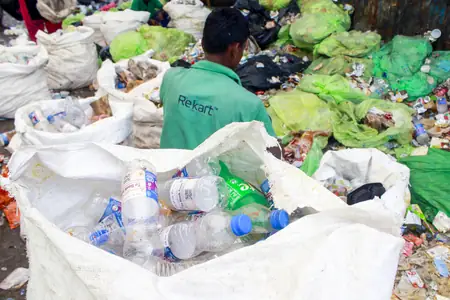
A alarming new study warns that without urgent action, plastic pollution could double global health risks by 2040. Published in The Lancet Planetary Health, the research examines the full lifecycle of plastics—from extraction of fossil fuels to production, use, and disposal—revealing toxic emissions at every stage that harm both humans and the environment.
The study projects scenarios from 2016 to 2040, showing that if current trends persist, health impacts from plastics will surge. Greenhouse gas emissions contributing to global warming will account for nearly 40% of the damage, air pollution from manufacturing 32%, and toxic chemicals released into the environment 27%. Minor effects stem from water scarcity, ozone depletion, and increased ionizing radiation.
Megan Deiny from the London School highlighted that emissions throughout the plastic lifecycle drive global warming, air pollution, and toxin exposure, elevating risks of cancer and non-communicable diseases. The worst culprits are plastic production and open burning.
In 2016, plastics caused the loss of 2.1 million healthy life years annually. By 2040, this could climb to 4.5 million, totaling 83 million healthy life years lost between 2016 and 2040. Simply improving waste collection and recycling won’t suffice; fundamental changes in materials, reuse, and consumer behavior are essential.
Policymakers must prioritize regulating new plastic production and curbing unnecessary use to mitigate these escalating threats. The findings underscore the need for systemic overhaul to protect public health and the planet.