Islamabad has become a perilous landscape for journalists in recent years, with mounting dangers that threaten the very essence of press freedom. A comprehensive report released Saturday paints a grim picture of the challenges faced by reporters in Pakistan. Under the Prevention of Electronic Crimes Act (PECA), online reporting has drawn severe crackdowns, while criminal defamation suits from public officials and private individuals add to the peril. Security agencies’ pressures have collectively eroded media independence.
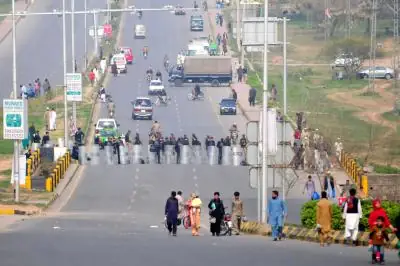
Journalists covering protests, political movements, and sensitive regional issues endure harassment, physical violence, and arbitrary detentions. Press clubs and unions have documented numerous assaults on reporters, often during security operations, with little to no transparent investigations following. This culture of impunity only emboldens aggressors.
Women journalists face amplified online harassment, including coordinated trolling, threats, and attempts to tarnish their reputations, especially when reporting on politics, human rights, or religion. Pakistan’s polarized political climate exacerbates this global issue, making digital spaces battlegrounds.
The report highlights a restrictive environment dominated by legal controls, security pressures, economic strains, and digital curbs. Despite constitutional guarantees of free expression, powerful institutions limit coverage on national security and religious matters through laws like defamation statutes, anti-terrorism provisions, blasphemy rules, and cybercrime regulations.
Self-censorship has infiltrated newsrooms as editors weigh public interest against risks, softening language, omitting names, or spiking stories altogether. This trend undermines public discourse, pushing audiences toward unverified sources and social media rumors, eroding trust in professional media.
Regional disparities are stark: journalists in Balochistan, Khyber Pakhtunkhwa, and parts of Sindh face far greater risks than those in urban centers, due to limited legal aid, sparse media infrastructure, and intense security campaigns. The report warns of long-term damage to informed debate, urging systemic reforms to safeguard journalism.