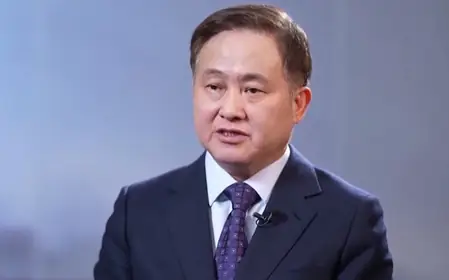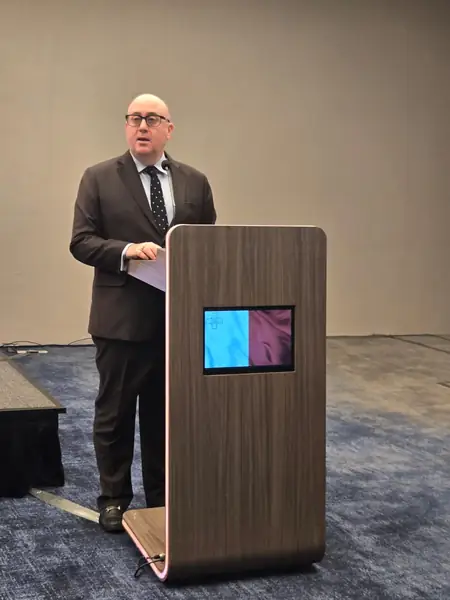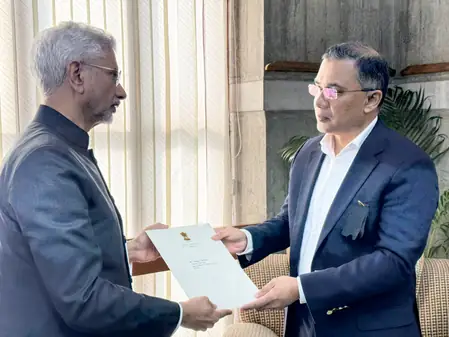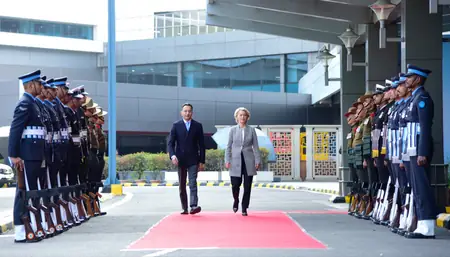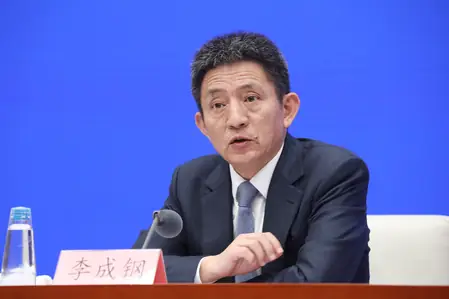
In a significant declaration at the World Trade Organization’s mini-ministerial meeting in Davos, Switzerland on January 22, China’s Vice Minister of Commerce and International Trade Representative Li Chenggang affirmed Beijing’s unwavering commitment to reforming the multilateral trading body. The gathering, chaired by Swiss Federal President and Minister of Economic Affairs Guy Parmelin, drew ministers and representatives from nearly 30 WTO members, including the United States, European Union, South Africa, New Zealand, and South Korea, alongside WTO Director-General Ngozi Okonjo-Iweala.
Li Chenggang’s speech underscored the enduring value of WTO’s core principles and rules, which he described as providing ‘stability and predictability’ for global trade growth. Amid today’s turbulent international trade landscape, he emphasized that the WTO’s role has never been more critical. ‘Member states must engage in practical cooperation, advance reforms in the multilateral trading system to keep pace with the times, uphold the WTO’s effectiveness and authority, and better leverage its pivotal role in global economic governance,’ Li stated.
Highlighting China’s steadfast support for the multilateral system, Li detailed Beijing’s backing for the 14th WTO Ministerial Conference. Key priorities include crafting a reform work plan, integrating the Investment Facilitation Agreement into the WTO legal framework, expanding tariff exemptions for electronic transmissions, and addressing food security concerns to yield tangible outcomes.
China, Li reiterated, will continue to participate proactively in WTO reforms and contribute to ensuring that reform benefits reach all members. This pledge comes at a time when global trade faces mounting pressures from geopolitical tensions and economic uncertainties, positioning China as a constructive force in revitalizing the organization.
As discussions in Davos wrapped up, stakeholders expressed optimism that such commitments could pave the way for a more resilient and inclusive global trade architecture, with China’s involvement seen as instrumental to achieving consensus on pressing issues.