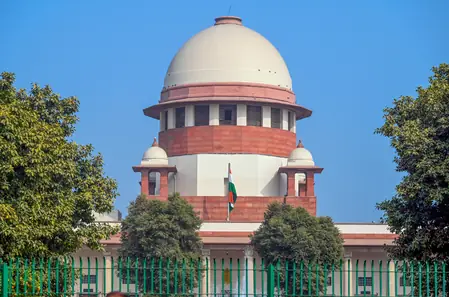
New Delhi’s legal corridors are buzzing as a public interest litigation (PIL) lands in the Supreme Court, targeting a freshly notified provision in the University Grants Commission’s (UGC) Promotion of Equity in Higher Education Institutions Regulations, 2026. Announced on January 13, Rule 3(C) stands accused of being arbitrary, discriminatory, and unconstitutional, with petitioners demanding its immediate scrapping.
The core grievance? This rule, meant to foster equality in campuses, allegedly tilts the scales against the general category students and faculty. Petitioners argue it could sideline meritorious candidates from certain groups, pushing them out of higher education altogether. They claim it tramples on fundamental rights enshrined in Articles 14 (equality), 19 (freedom of speech), and 21 (life and liberty) of the Constitution, while clashing with the UGC Act of 1956.
At its heart, the UGC’s new framework aims to eradicate discrimination based on caste, religion, gender, birthplace, disability, and more in universities and colleges nationwide. Key mandate: Every institution must form an Equity Committee to probe complaints and impose harsh penalties—like withholding degrees or revoking institutional recognition—on culprits.
UGC data paints a stark picture: Caste-based discrimination complaints in universities have surged 118% over the past five years. These regulations stem from Supreme Court directives in a prior case urging robust anti-discrimination mechanisms. Post-notification, institutions received marching orders to set up committees and roll out anti-bias policies.
Yet, the petitioners spotlight Rule 3(C)’s flaws. Its definition of caste discrimination and handling procedures, they say, breed bias against the general category. Worse, there’s no penalty for false complaints, opening doors to misuse. The PIL urges the apex court to scrutinize the rule’s constitutionality and safeguard students’ core rights.
This showdown reignites the perennial clash between equity initiatives and merit-based access in Indian higher education, with implications that could reshape campus policies for years to come.