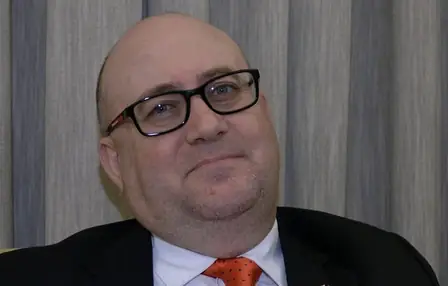
New Delhi is buzzing with anticipation as high-level European Union leaders descend on the city for Republic Day celebrations and a pivotal EU-India summit. At the heart of the discussions is the much-awaited Free Trade Agreement (FTA) between India and the EU, which Malta’s High Commissioner to India, Ruben Gauci, has boldly dubbed the ‘Mother of All Deals’.
In an exclusive interview, Gauci expressed strong optimism about the imminent signing of the FTA. He highlighted the significance of the visit by European Commission President Ursula von der Leyen and European Council President Antonio Costa, stating that their presence underscores India’s top priority status for European nations. ‘This visit signals how high India ranks on the EU’s agenda, just as our EU ambassadors met with External Affairs Minister S. Jaishankar earlier this week,’ Gauci noted.
The envoy recalled a key February visit last year by a representative of the European Commission chief, which he credits with propelling negotiations forward. Malta, one of the smallest yet vital members of the 27-nation EU bloc, views the FTA as a golden opportunity to boost trade ties with India. Currently, Malta exports far less to India than it imports, resulting in a significant trade deficit. ‘We import ten times more from India than we export. As a small nation, that makes sense, but we aim to balance this through the EU-India FTA,’ Gauci explained.
Under the EU’s common commercial policy, only EU institutions negotiate and finalize trade agreements with non-EU countries. Gauci emphasized Malta’s close monitoring of the talks since their inception. ‘We’re following these negotiations closely, and I expect the FTA to be signed very soon. Once inked, it will make history,’ he affirmed.
This potential deal comes at a time when global trade dynamics are shifting, with India positioning itself as a key partner for Europe amid geopolitical tensions. The FTA promises to unlock new markets, reduce tariffs, and foster deeper economic integration, benefiting businesses on both sides. As negotiations reach their final stages, stakeholders are watching closely for outcomes that could redefine Indo-European relations for decades.