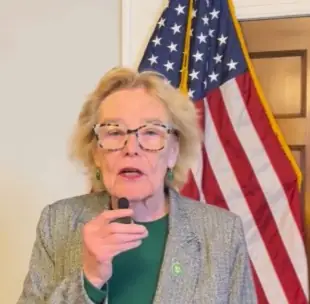
In a significant move towards protecting minority communities, a bipartisan bill aimed at combating discrimination against Sikh Americans is gaining momentum in the US House of Representatives. Titled the ‘Sikh American Anti-Discrimination Act 2025’ or H.R. 7100, the legislation was introduced earlier this month by New Jersey Congressman Josh Gottheimer. Now, it has secured the crucial support of California Democrat Zoe Lofgren, who has signed on as a co-sponsor.
Lofgren, who represents a large Sikh community in San Jose and serves as Vice Chair of the American Sikh Congressional Caucus, emphasized the urgency of the issue. ‘No one in America should fear practicing their faith,’ she declared. Acknowledging a surge in anti-Sikh incidents, she called on the Department of Justice to prioritize these hate crimes. Lofgren vowed to push the federal government to actively fight such discrimination.
Gottheimer, who spearheaded the bill after direct consultations with Sikh families and leaders in North Jersey, highlighted its practical impact. The legislation would empower the government to better identify, track, and prevent hate crimes targeting Sikhs. ‘Congress must act decisively,’ he stated, ensuring every American can practice their religion freely and safely.
If passed, the bill would establish a dedicated ‘Anti-Sikh Discrimination Task Force’ within the Department of Justice. This body would define anti-Sikh hate clearly, develop awareness programs for schools, police, and universities, and submit annual reports to Congress. The initiative has broad backing from national Sikh organizations, including the Sikh Coalition, Sikh American Legal Defense and Education Fund, and the American Sikh Caucus Committee, who stress the need for immediate federal action.
This development comes amid rising concerns over hate crimes against Sikhs, often mistaken for other groups due to their turbans and beards. Supporters argue the bill represents a vital step in fostering inclusivity and safety for all religious communities in the diverse fabric of American society. As deliberations continue, the measure underscores growing congressional consensus on protecting vulnerable populations from bigotry.