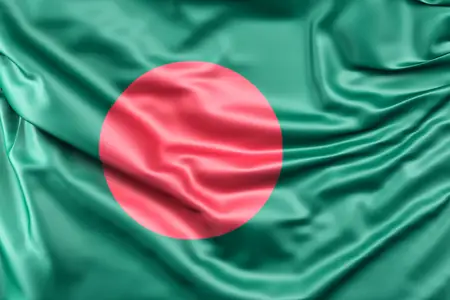
Dhaka has issued a sharp rebuke against Myanmar’s recent statements at the International Court of Justice (ICJ) in the Rohingya genocide case. In a strongly worded press release, Bangladesh categorically rejected Myanmar’s portrayal of the Rohingya people as ‘Bengalis’ – illegal immigrants and threats to internal security.
This narrative, Dhaka argues, is a deliberate ploy to divert attention from the brutal atrocities and ethnic cleansing inflicted on the Rohingya community between 2016 and 2017. Bangladesh emphasized that the Rohingya constitute a distinct ethnic group with deep historical roots in Arakan, now known as Rakhine State. Records trace their presence there even before the region fell under the Burman Empire in 1785.
The name ‘Rohingya’ evolved from references to their settlements in the ancient Arakan capital of Mro Haung (Rohang), initially an external label that the community later embraced as their own identity. While sharing some linguistic similarities with the Chittagong dialect, their language, culture, traditions, and social customs starkly differ from those of Bengalis.
For decades, Rohingya were integral to Myanmar’s political, social, and governmental fabric prior to independence. They enjoyed full rights until the discriminatory 1982 Citizenship Law stripped them on ethnic and religious grounds. Voting rights persisted until the 2015 elections, after which they were systematically disenfranchised.
Bangladesh accuses Myanmar of a calculated campaign to render the Rohingya stateless, culminating in mass expulsions in 2017. Labeling them ‘Bengalis’ denies their innate right to identity and serves to justify the 2016-17 violence. Notably, bilateral repatriation agreements from 1978 recognized Rohingya as ‘lawful residents of Burma,’ with assurances of equal rights in subsequent pacts.
Dhaka highlighted Myanmar’s failure over the past eight years to create a safe environment for Rohingya repatriation, breaching 2017-18 agreements. Bangladesh also dismissed Myanmar’s unsubstantiated claim of ‘500,000 Bangladeshis’ fleeing to Rakhine during the 1971 Liberation War, demanding evidence that was never provided.
As the ICJ proceedings intensify, Bangladesh’s firm stance underscores the international push for justice and recognition of Rohingya indigeneity, challenging Myanmar’s revisionist history.