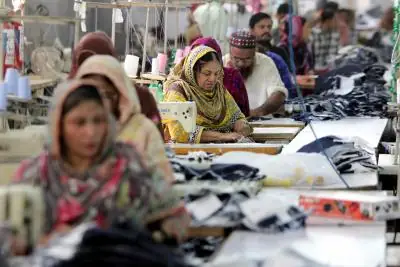
Pakistan’s economy is spiraling deeper into crisis as exports recorded a sharp 20.4% decline in December 2025, marking the fifth consecutive monthly drop amid mounting economic pressures. Official data reveals this downturn is exacerbating the country’s trade imbalances and foreign exchange woes.
Border tensions with neighbors India and Afghanistan have crippled cross-border trade, forcing key routes to shut down and disrupting vital supply chains. Reliance on China for trade has proven costly, with high logistics expenses eating into already thin margins.
According to reports, exports fell from $2.91 billion in December 2024 to $2.32 billion, while imports rose nearly 2% to $6.02 billion. This pushed the monthly trade deficit up by 24% to $3.7 billion, highlighting structural vulnerabilities in Pakistan’s export sector.
The slump points to deeper issues: limited product diversification, waning competitiveness, and poor integration into global value chains. For the first half of fiscal year 2025-26 (July-December), exports dropped 8.7% to $15.18 billion, while imports surged 11.3% to $34.39 billion, ballooning the trade deficit to $19.2 billion—a 35% increase from last year.
Decades of stagnant merchandise exports have left Pakistan unable to match regional rivals or meet rising import demands. Governments have leaned on foreign aid, remittances, and loans to patch payment balances, masking fundamental export weaknesses rather than addressing them.
With imports continuing to climb alongside export collapses, Pakistan’s trade balance faces unprecedented strain. Economists warn that without urgent reforms in diversification and competitiveness, the crisis could trigger broader financial instability, potentially requiring another IMF bailout.