In a significant ruling, the Delhi High Court has revoked the bail of Mohammad Ubaidullah, a key accused in the violent stone-pelting incident at Turkman Gate during an anti-encroachment drive. The decision underscores the court’s firm stance against disruptions to law enforcement operations in the national capital.
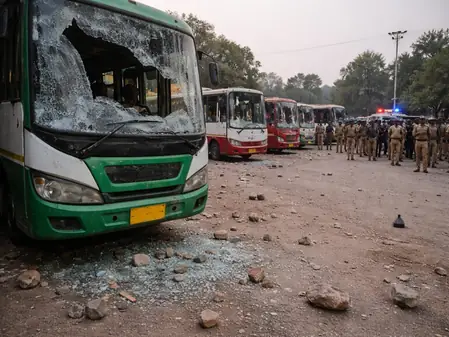
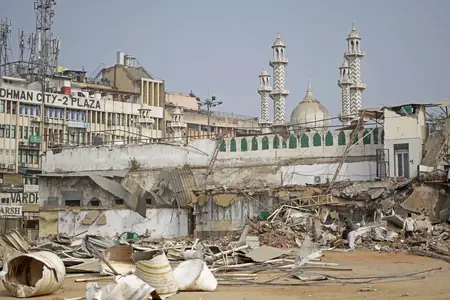
The incident unfolded near the Faiz-e-Ilahi Masjid in Old Delhi’s Turkman Gate area, where authorities were clearing illegal encroachments. As police set up barricades around the disputed land late at night, a mob of 30-35 individuals gathered, raising provocative slogans and hurling stones at officers. Several policemen sustained injuries, and public property suffered extensive damage.
Delhi Police had registered an FIR detailing how local influencers used WhatsApp groups to mobilize residents, inciting them to obstruct the operation. Mohammad Ubaidullah (23), along with Mohammad Naved (44) and Mohammad Faiz (20), was among those arrested for their alleged roles in the violence.
The trial court had earlier granted regular bail to Ubaidullah, but the High Court found this order flawed. Justices noted that the lower court failed to adequately consider the police’s submissions, merely recording arguments without proper evaluation. ‘The order is limited to noting submissions without addressing the prosecution’s contentions,’ the bench observed while allowing the police appeal.
This revocation sends a strong message amid rising concerns over encroachments in densely populated areas like Old Delhi. Authorities emphasize that such drives are essential for urban planning and public safety, vowing zero tolerance for violent resistance. Ubaidullah must now surrender to custody, as the court directed immediate compliance with the order.
Legal experts view this as a precedent for handling similar cases, where lower courts must rigorously scrutinize evidence before granting bail in riot-related matters. The development has sparked discussions on balancing residents’ rights with the need for orderly city development.