
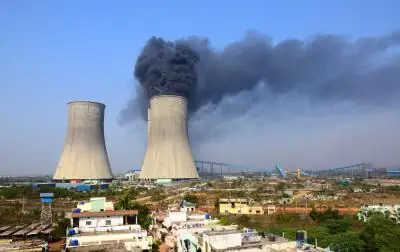
Bangladesh’s struggling power sector, heavily reliant on fossil fuels, has emerged as the nation’s leading source of pollution. This dependency is not only choking the environment but also crippling the economy with massive financial losses. Local reports highlight how power plants contribute nearly 28 percent to the country’s air pollution, primarily through soaring carbon emissions.
The Bangladesh Working Group on Ecology and Development (BWGED) has unveiled a 13-point citizen manifesto calling for a just transition in the energy sector. As fossil fuel-based plants ramp up emissions, shifting to renewables is no longer optional but essential. The group points out the enormous financial strain: Bangladesh shells out around $18.5 billion in capacity charges, while the Bangladesh Power Development Board (BPDB) grapples with losses exceeding $27.23 billion. Annual imports of fossil fuels cost another $11.72 billion, draining foreign reserves.
The manifesto demands phasing out subsidies on coal, gas, and oil to incentivize industries, businesses, and households to adopt affordable renewables. It urges a ban on new fossil fuel plants, guarantees alternative livelihoods for retiring plant workers, and strict measures against gas leaks and illegal connections. No new LNG terminals should be approved.
A clear roadmap with time-bound targets is essential, integrated into national and regional plans, backed by substantial budget allocations for renewables. Recommendations include scrapping VAT and import duties on solar panels and related equipment. The transport sector, another major polluter, needs urgent attention with steep cuts in import duties on electric vehicles and zero tariffs on advanced batteries, extending to public buses.
Emphasizing ‘just transition,’ the manifesto prioritizes women, indigenous communities, farmers, fisherfolk, workers, and the poor through green job creation, short-term training, and easy loans, especially for unemployed youth and marginalized groups. It calls for halting land acquisition for energy projects to protect agricultural livelihoods and offering special incentives for farmers to switch to renewables.
This citizen charter offers the next government a blueprint for a smooth shift to renewables, slashing both financial burdens and carbon footprints. Political parties must commit to these demands to secure Bangladesh’s economic and environmental future.