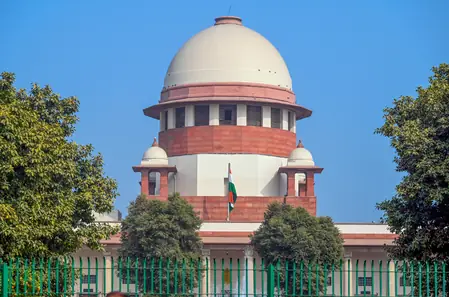
New Delhi’s Supreme Court turned the spotlight on Bihar’s contentious Special Intensive Revision (SIR) of voter lists today, questioning the Election Commission’s rationale for probing citizens’ credentials. Justices delved deep into the process, which mandates verification of voters’ citizenship status, amid fierce opposition from multiple petitioners who argue it undermines fundamental rights.
Senior advocate Rakesh Dwivedi, representing the EC, defended the initiative by harking back to the 2003 Citizenship Act amendments. He noted that no objections were raised at the time, with broad consensus across political lines. But the bench wasn’t convinced, probing whether these changes directly necessitated citizenship checks during SIR. Dwivedi clarified that the core aim aligns with Article 326 of the Constitution, ensuring only eligible citizens cast ballots.
Tensions escalated when the court zeroed in on the term ‘migration’ in the SIR directive. Is it solely about curbing illegal border infiltration? The EC explained it encompasses both inter-state and intra-state movements. The justices fired back sharply: migration implies legitimate travel, protected by constitutional freedoms allowing any Indian to reside anywhere in the country. Labeling such movement as suspect, they implied, crosses a legal red line.
Petitioners invoked U.S. due process precedents, slamming SIR as a blatant violation. In a fiery rebuttal, Dwivedi flipped the script, questioning America’s own record. He cited former President Trump’s rhetoric on ousting Venezuela’s leader for trial and eyeing Greenland’s annexation, mocking their moral authority on fair procedures.
After hours of intense arguments, the apex court reserved its verdict. The next hearing is slated for January 28. This case carries massive stakes for Bihar, where millions of voters’ rights hang in balance, potentially reshaping electoral integrity across the state.