

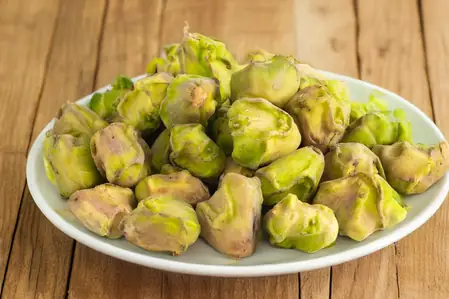
Winters bring a bounty of seasonal delights, and among them, the humble water chestnut, or singhara, stands out not just for its crunch but for its powerhouse health benefits. Eaten raw, boiled with spices, roasted, or turned into flour for halwa and puris, this aquatic fruit is a staple in many households during the cold months.
Packed with iodine, potassium, manganese, fiber, and essential vitamins, singhara offers remarkable support for thyroid function. It helps regulate water retention, balances blood pressure, and soothes the digestive system. Nutrition experts highlight its unique resemblance to the thyroid gland in shape, making it a natural ally for those battling hormonal imbalances.
Iodine in singhara is crucial for thyroid hormone production, while manganese and potassium aid in converting inactive T4 to active T3 hormones. This process ensures smooth thyroid operation, which is vital for metabolism, energy levels, and overall well-being. For millions grappling with hypothyroidism or hyperthyroidism, incorporating singhara could be a game-changer.
Beyond thyroid health, singhara combats edema caused by excess fluid buildup, a common complaint in thyroid patients. Its potassium content helps maintain healthy blood pressure, reducing strain on the heart and promoting cardiovascular wellness. The high fiber ensures gentle digestion, alleviating constipation and bloating without taxing the gut.
Available fresh in markets during winter, singhara is versatile and easy to prepare. Raw slices offer a hydrating crunch, while cooked versions add nutrition to festive meals. Though a natural remedy, consulting a healthcare professional is advisable for persistent health issues. Embrace this winter wonder to nourish your body from within.