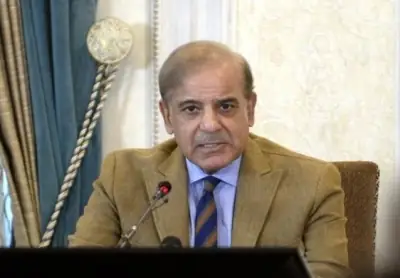
In a significant diplomatic move, Pakistan has accepted U.S. President Donald Trump’s invitation to join the newly proposed ‘Board of Peace’ aimed at overseeing post-war governance and reconstruction in Gaza. Local media outlets, including Dawn, reported that Pakistan’s Foreign Ministry confirmed the decision on Wednesday, emphasizing the nation’s commitment to achieving lasting peace in the region.
The invitation was extended last week as part of a broader outreach by the Trump administration to global leaders. This board, operating under the framework of UN Security Council Resolution 2803, is designed to implement a comprehensive Gaza peace plan. Pakistan’s acceptance aligns with its ongoing efforts to support humanitarian initiatives and political stability in the Middle East.
Foreign Ministry spokesperson highlighted in the official statement that Prime Minister Muhammad Shehbaz Sharif received the personal invitation from President Trump. ‘Pakistan announces its decision to join the Board of Peace as part of its efforts to support the implementation of the Gaza peace plan,’ the statement read. The ministry expressed optimism that the framework would facilitate a permanent ceasefire, ramp up humanitarian aid for Palestinians, and initiate concrete reconstruction steps in Gaza.
Further, Pakistan hopes these endeavors will pave the way for a credible, time-bound political process realizing Palestinian self-determination rights, in line with international legitimacy and UN resolutions. The country pledged to play a constructive role in these historic efforts.
Reports from Reuters indicate that the U.S. has drafted a charter sent to nearly 60 countries, requiring long-term members to contribute $1 billion in cash if they wish to extend membership beyond three years. Pakistan now joins a select group including Hungary, Israel, and the United Arab Emirates that have unconditionally accepted the invite. This development underscores shifting alliances in global peacemaking, with implications for Middle East dynamics amid ongoing conflicts.
As the board takes shape, stakeholders watch closely how Pakistan’s involvement might influence reconstruction timelines and funding mechanisms. Experts suggest Islamabad’s participation could bolster Muslim-majority representation, potentially enhancing the initiative’s legitimacy in the Arab world.