
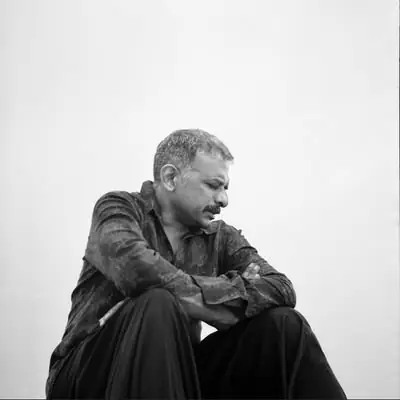
In the refined world of Carnatic classical music, TM Krishna stands as a transformative force, blending exquisite artistry with unflinching social commentary. Born on January 22, 1976, in Chennai, formerly Madras, Krishna was immersed in music from childhood. His parents’ passion for Carnatic traditions ignited his early training, but he soon transcended mere performance to wield music as a tool for societal critique.
Krishna challenges the elitist structures within Carnatic music, dominated historically by upper castes. He vocally advocates for inclusivity, pushing for Dalit and marginalized talents to claim their space on prestigious stages. This stance has drawn ire from traditionalists, yet Krishna remains steadfast, arguing that true art belongs to all, not a privileged few.
His book ‘A Southern Music: The Karnatic Story’ unveils the genre’s history while dissecting its social underpinnings, including caste inequalities and performative hierarchies. Beyond caste, Krishna addresses environmental devastation. His poignant songs protesting the industrialization of Ennore Creek in Tamil Nadu highlight how unchecked development devours communal lands—’poramboke’—turning natural wonders into industrial wastelands.
Standing amid the creek’s polluted waters, Krishna sings of rivers choked by factories and power plants, warning that this voracious growth threatens to consume our very lives. He fuses classical ragas with folk elements, making his music accessible and urgent. In a landscape where few classical artists confront power, Krishna’s voice resonates as a beacon of change, urging a reevaluation of art’s role in justice and preservation.