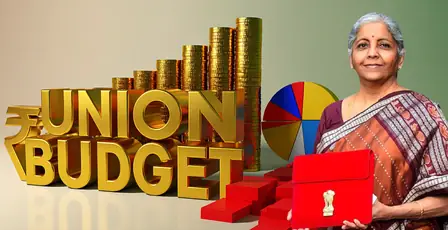
With just days away from the Union Budget 2026-27 presentation on February 1, anticipation is building across India. Industries from real estate to stock markets, MSMEs, women, and seniors are voicing their hopes. Experts shared insights with news agencies on what could transform these sectors.
Real estate, contributing 7% to GDP and second only to agriculture in job creation, stands at the forefront. Govind Agarwal, President of Eastern Bihar Industries Association, stresses revising the affordable housing cap. Currently pegged at Rs 45 lakh, it should rise to Rs 75 lakh to benefit more families amid rising costs.
He pushes for GST input tax credit for builders, arguing it would slash construction expenses and home prices, easing the burden on middle-class buyers. Lower interest rates and extra income tax relief on home loans are also on his wishlist, promising a boom in housing accessibility.
CA and economist Pradeep Jhunjhunwala calls for budget measures that touch every citizen. Seniors need higher TDS thresholds and tax-free income limits. He advocates raising real estate tax exemptions to Rs 1 crore and long-term capital gains exemption from Rs 1 lakh to Rs 5 lakh, boosting investments.
Local sectors like Bhagalpur’s weavers, textiles, agri-industries, and tourism deserve priority, he adds, to spur regional growth.
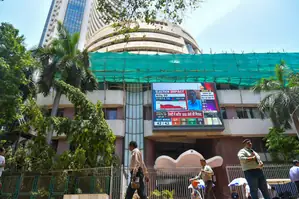
Tax expert CA Sanjay Kumar Sakl highlights global pressures from US policies and tariffs shaking stock markets. Amid volatility, he urges slashing long-term capital gains tax from 12.5%—hiked from zero—to restore investor confidence and stabilize markets.
Women entrepreneur Priya Soni applauds empowerment schemes but flags awareness gaps in rural areas. She demands simplified promotion via posters and campaigns, plus hikes in maternity and nutrition aid to match inflation. Beyond funding, women need marketing support and dedicated markets to thrive.
As Finance Minister gears up, these expert views signal a budget that could redefine economic inclusivity, balancing growth with ground realities for real estate, markets, and half the nation’s populace.