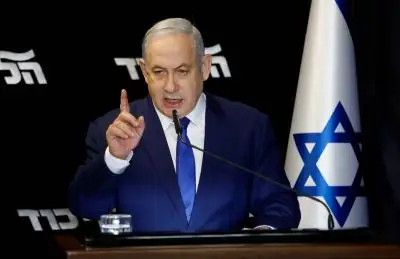
In a significant development amid ongoing Middle East tensions, Israeli Prime Minister Benjamin Netanyahu has accepted an invitation from US President Donald Trump to join the newly proposed Board of Peace. This move comes as part of Trump’s ambitious Gaza Peace Plan, aimed at resolving global conflicts starting with the volatile Gaza Strip.
Netanyahu’s office announced the decision on social media platform X, stating that the Prime Minister will become a member of the board, which will include leaders from around the world. Trump, who will serve as the permanent chairman, envisions the board as a powerful mechanism to mediate disputes and foster lasting peace.
The initiative has sparked mixed reactions. While supporters hail it as a bold step towards stability, diplomats warn it could undermine the United Nations’ role in international peacekeeping. Countries like Argentina, Azerbaijan, Belarus, Hungary, Kazakhstan, Morocco, UAE, and Vietnam have also accepted invitations, forming a diverse coalition.
India’s Prime Minister Narendra Modi received an invite, but New Delhi is still deliberating. Russia, too, is carefully reviewing the proposal through diplomatic channels, with Kremlin spokesperson Dmitry Peskov confirming receipt and expressing intent to seek clarifications from Washington.
The board’s structure limits initial membership to three years, with permanent seats reportedly requiring a $1 billion contribution. This financial aspect has raised eyebrows, but proponents argue it ensures commitment from participating nations.
Trump’s peace plan is advancing to its second phase, following Hamas’s release of living hostages in the first phase—though one body remains unreturned, fueling Israeli demands for full compliance before proceeding. The plan supports a technocratic Palestinian administration and demands Hamas dismantle its tunnel network and surrender weapons completely.
As world leaders weigh their involvement, the Board of Peace could reshape global diplomacy, potentially sidelining traditional institutions while prioritizing pragmatic alliances. Netanyahu’s acceptance signals strong US-Israel ties under Trump, setting the stage for high-stakes negotiations ahead.