The Indian government has launched the Draft National Electricity Policy (NEP) 2026 for public consultation, aiming to transform the power sector into a robust, green, and reliable powerhouse by 2047. This ambitious blueprint aligns with the ‘Viksit Bharat 2047’ vision, targeting per capita electricity consumption of over 4,000 units by mid-century, up from 2,000 units by 2030.
Released by the Ministry of Power, the draft seeks inputs from all stakeholders to replace the 2005 policy. It emphasizes timely power supply through resource adequacy plans at state and national levels, with discoms, SLDCs, and CEA playing pivotal roles.
To meet climate goals—45% reduction in emission intensity by 2030 and net-zero by 2070—the policy pushes for accelerated renewable energy adoption. Market-based mechanisms, captive plants, and distributed renewable energy trading are highlighted, alongside exemptions for large consumers from universal service obligations.
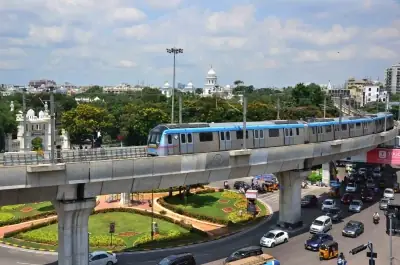
Tariff reforms include indexing rates to suitable benchmarks for automatic annual adjustments and shifting fixed costs to demand charges to ease subsidy burdens. Cross-subsidies for manufacturing, railways, and metro systems will be phased out to boost competitiveness and cut logistics costs.
Nuclear ambitions feature prominently, promoting advanced tech like modular reactors for 100 GW capacity by 2047 under the Atomic Energy Act 2025. Dispute resolution mechanisms will be strengthened to minimize consumer burdens.
Since the 2005 policy addressed shortages and weak infrastructure, India has seen massive growth. This new draft promises affordable, high-quality power for all, marking a new era in energy security.