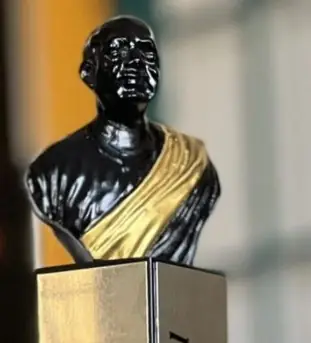
January 20 marks a historic milestone in Indian cinema, celebrating the unsung heroes behind the silver screen. On this day in 2010, legendary cinematographer VK Murthy received the prestigious Dadasaheb Phalke Award for his 2008 contributions, becoming the first in his field to claim India’s highest film honor.
India leads the world in film production, churning out thousands of movies annually. While actors and directors grab headlines, it’s the technical wizards like cinematographers who breathe life into visions. Murthy’s mastery over light, shadow, and framing turned ordinary scenes into cinematic poetry.
The Dadasaheb Phalke Award, instituted in 1969, recognizes lifetime excellence in cinema. Over four decades, it went to actors, directors, and producers—but never a cinematographer until Murthy. His collaboration with Guru Dutt in the 1950s produced timeless black-and-white masterpieces: Pyaasa, Kaagaz Ke Phool, Chaudhvin Ka Chand, and Sahib Bibi Aur Ghulam.
Murthy’s innovative lighting techniques, like the iconic moonlit shots in Chaudhvin Ka Chand, remain textbook examples for film students worldwide. Despite decades of oversight, his 2010 recognition underscored the vital role of behind-the-scenes talent. This moment spotlights how technical expertise shapes India’s storytelling legacy, inspiring future generations to honor every craft in filmmaking.