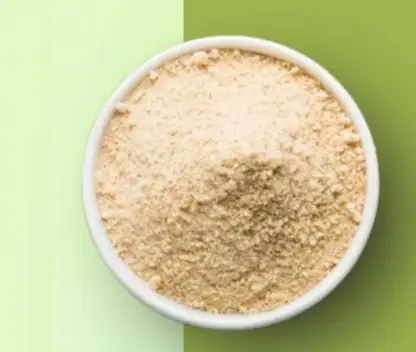
In the world of spices, few match the unique pungency and health benefits of asafoetida, commonly known as hing. This golden resin, harvested from the roots of Ferula plants in Iran and Afghanistan, has been a staple in Indian kitchens for centuries. But beyond its flavor-enhancing properties, hing is a powerhouse of wellness.
Hing’s journey to your plate begins in arid landscapes where the plant thrives. Tappers make incisions in the root, collecting a milky sap that hardens into the familiar yellowish gum. A pinch of this spice transforms bland dishes into aromatic delights, especially in vegetarian cooking where it mimics onion and garlic flavors.
Digestive health tops the list of hing’s benefits. Rich in coumarins, it relaxes intestinal muscles, easing bloating, gas, and indigestion. Studies from Ayurvedic texts and modern research highlight its carminative effects, making it ideal for those suffering from IBS or flatulence. Just half a teaspoon in warm water can soothe an upset stomach within minutes.
Weight management enthusiasts take note: hing’s fiber content and ability to curb appetite make it a natural ally. It boosts metabolism by stimulating digestive enzymes, helping burn fat more efficiently. Combined with a balanced diet, regular hing use has shown promising results in reducing belly fat, as per preliminary clinical trials.
Not just for the gut, hing packs antioxidants like asafetida acid that combat free radicals, supporting immunity and skin health. It’s anti-inflammatory too, offering relief from arthritis pain when used in home remedies. However, moderation is key—excess can lead to side effects like dizziness.
From dal tadkas to therapeutic teas, hing proves that great taste and health can coexist. Next time you reach for this spice, remember you’re adding more than flavor to your meal.