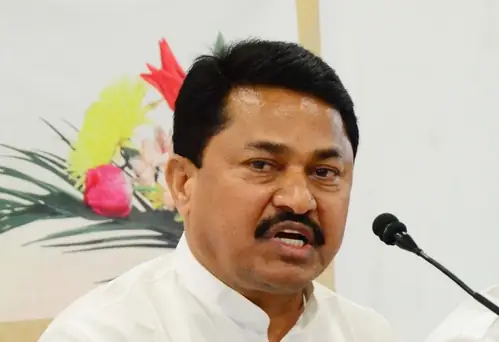
In a dramatic turn following the Maharashtra civic elections, Congress leader Nana Patole has reignited the long-standing debate over Electronic Voting Machines (EVMs). Blaming the recent losses on alleged tampering, Patole demanded a return to ballot papers, calling EVMs unreliable and prone to manipulation.
The elections, held across key urban local bodies including Mumbai, Pune, and Nagpur, saw a resounding victory for the ruling Mahayuti alliance comprising BJP, Shiv Sena (Eknath Shinde faction), and NCP (Ajit Pawar faction). Congress and its allies suffered humiliating defeats, prompting sharp criticism from opposition ranks.
Addressing a press conference in Mumbai, Patole questioned the transparency of EVMs. ‘We have won hearts, but EVMs have stolen our victory. The time has come to revert to ballot paper voting to restore faith in democracy,’ he asserted. He cited past instances where paper ballots allegedly prevented fraud, urging the Election Commission to reconsider its stance.
Patole’s outburst comes amid rising skepticism about EVM integrity nationwide. Opposition parties, including Congress, have repeatedly raised concerns over hacking possibilities and lack of voter-verifiable paper audit trails (VVPAT) in sufficient numbers. The Supreme Court recently dismissed pleas for 100% VVPAT verification, but the debate persists.
Mahayuti leaders dismissed Patole’s claims as ‘sour grapes.’ Maharashtra BJP chief Chandrashekhar Bawankule mocked the opposition, saying, ‘They lost because people rejected their corruption and misgovernance. EVMs are tamper-proof, proven time and again.’
The civic poll results signal a strong mandate for the state government ahead of assembly elections. Urban voters prioritized development, infrastructure, and water supply over opposition narratives. Analysts note that the alliance’s door-to-door campaign and welfare schemes swayed undecided voters.
Patole vowed to intensify the EVM campaign, planning nationwide protests and legal challenges. ‘This is not just about one election; it’s about safeguarding democracy,’ he concluded. As the controversy brews, it could shape future electoral battles in the state.