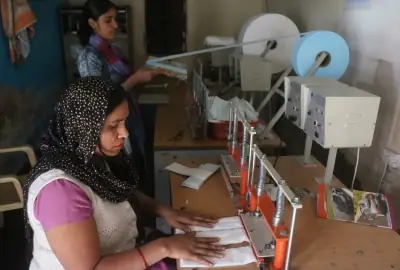
In a stark revelation that underscores ongoing gender inequities, Pakistan continues to impose a hefty 40 percent tax on sanitary pads, according to a recent report. This regressive taxation persists despite global calls for eliminating duties on essential menstrual hygiene products to promote women’s health and dignity.
The report, drawing from fiscal data and policy analyses, highlights how this tax burden disproportionately affects low-income women who already struggle with access to basic hygiene items. In a country where nearly 80 percent of women in rural areas lack reliable access to sanitary products, such levies exacerbate period poverty, leading to health risks and school dropouts among adolescent girls.
Experts argue that sanitary pads should be classified as essential goods, akin to medicines or food staples, warranting zero taxation. Comparative examples from neighboring India, where GST on sanitary products was reduced to 12 percent and campaigns for further cuts are underway, paint a contrasting picture. Pakistan’s sales tax regime, however, remains unchanged, with authorities citing revenue needs amid economic pressures.
Women’s rights activists are mobilizing, launching petitions and social media campaigns under hashtags like #TaxFreePeriods. They point to the hypocrisy in a nation that subsidizes luxury imports while taxing necessities. Health organizations warn that untreated menstrual hygiene issues contribute to infections, anemia, and long-term reproductive health problems.
As international bodies like the World Bank advocate for fiscal reforms to support gender equality, the question looms: Will Pakistan’s government heed the call and relieve women of this undue financial strain? The report urges immediate policy review, emphasizing that true progress lies in empowering half the population without punitive costs.