Beijing’s central bank is rolling out a significant monetary policy adjustment to bolster key economic sectors. The People’s Bank of China (PBOC) announced on January 15 that it will slash interest rates on refinancing and relending facilities by 0.25 percentage points, effective January 19. This move aims to amplify the supportive role of structural monetary tools and guide financial institutions toward prioritizing major strategies, critical areas, and weak links in the economy.
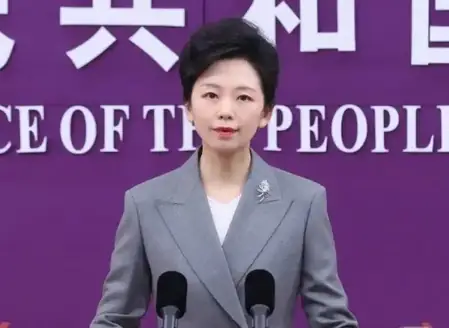
PBOC Vice Director Zhu Lai revealed the details during a press conference hosted by the State Council Information Office. He outlined eight policy measures to enhance support through structural monetary instruments. Among the freshly issued policies, the rate cut stands out as a cornerstone for injecting liquidity where it’s needed most.
In a parallel development, the PBOC is expanding quotas for targeted refinancing programs. To aid agriculture and small businesses, the quota will surge to 500 billion yuan. Meanwhile, to fuel science and technology finance, another 400 billion yuan quota targets innovation and technological upgrades. These steps signal Beijing’s commitment to nurturing high-growth sectors amid global economic headwinds.
Analysts view this as a calibrated response to domestic challenges, including sluggish growth and the need to stimulate innovation-driven recovery. By lowering borrowing costs for priority areas, the PBOC hopes to encourage lending that aligns with national priorities. As implementation kicks off next week, markets will watch closely for ripples in credit flows and economic activity.
This proactive stance underscores China’s strategy of precision-targeted stimulus, avoiding broad-based easing while focusing on structural reforms. Investors anticipate these measures could provide a timely lift to underserved segments, potentially stabilizing growth trajectories in the coming quarters.