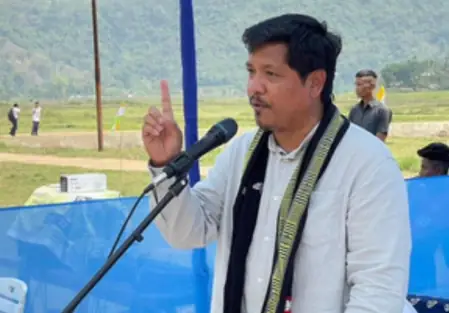
In a significant move towards addressing long-standing demands for job reservations, the Meghalaya government has announced plans to table a comprehensive report on employment quotas during the upcoming budget session of the state assembly. This development comes amid growing pressure from various stakeholders seeking clarity on the state’s reservation policy framework.
The report, which has been in preparation for several months, is expected to outline detailed recommendations on the percentage of reservations for local residents in government jobs. Meghalaya’s unique demographic composition, with a significant tribal population, has historically influenced its reservation policies, making this report a pivotal document.
Government officials revealed that multiple committees and consultations have contributed to the report’s formulation. Inputs from indigenous groups, civil society organizations, and employment experts have been incorporated to ensure a balanced approach. The budget session, slated to commence next month, will provide the platform for lawmakers to deliberate on these crucial recommendations.
This announcement has sparked optimism among job aspirants and youth organizations across the state. For years, debates over the 80% reservation cap for locals have dominated public discourse, with calls for revisions to better reflect current socio-economic realities. The government’s decision to present the report signals a proactive stance in resolving these contentious issues.
As the session approaches, all eyes will be on how the ruling coalition navigates potential opposition from parties advocating for different quota structures. The outcome could reshape Meghalaya’s employment landscape for years to come, influencing everything from recruitment processes to inter-community relations.
Stakeholders emphasize the need for transparency in the report’s implementation. While the exact details remain under wraps until its formal presentation, preliminary indications suggest a focus on merit-cum-reservation models that prioritize local talent while maintaining administrative efficiency.
Meghalaya Chief Minister Conrad Sangma’s administration faces this as a litmus test for its commitment to youth empowerment. Successful passage and execution of the recommendations could bolster the government’s popularity ahead of future elections, while delays or dilutions might reignite protests seen in recent years.
The budget session itself promises to be eventful, combining fiscal planning with this policy milestone. Economists note that a well-structured reservation policy could enhance workforce participation rates, crucial for Meghalaya’s development trajectory in Northeast India.