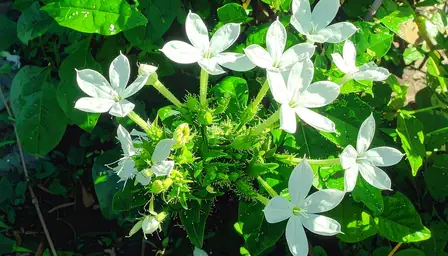
In the ancient wisdom of Ayurveda, few herbs hold the revered status of Chitrak, scientifically known as Plumbago zeylanica. This powerhouse plant has been a cornerstone of traditional healing for centuries, addressing everything from digestive woes to stubborn joint pain.
Native to the Indian subcontinent, Chitrak thrives in warm climates and has been documented in classical texts like the Charaka Samhita. Its fiery roots and leaves pack a punch with potent compounds like plumbagin, which ignite the body’s digestive fire or ‘Agni.’ Modern studies echo these claims, showing its efficacy in combating indigestion, bloating, and even parasitic infections.
But Chitrak’s benefits extend far beyond the gut. Ayurveda practitioners swear by its anti-inflammatory properties for arthritis and rheumatism. By balancing Vata dosha, it eases joint stiffness and swelling, offering relief where conventional painkillers fall short.
What makes Chitrak truly remarkable is its versatility. From stimulating appetite in the elderly to aiding weight management by boosting metabolism, this herb is a holistic healer. However, its potency demands caution—excessive use can lead to side effects, so consulting an Ayurvedic expert is essential.
As interest in natural remedies surges globally, Chitrak stands out as a testament to Ayurveda’s enduring legacy. Whether brewed in teas or powdered in formulations, it’s proving that age-old secrets can thrive in today’s wellness world.