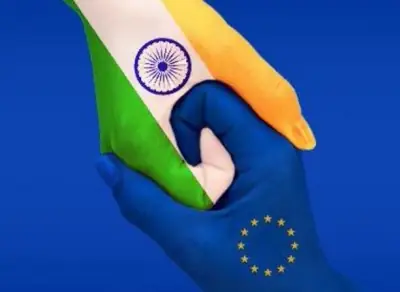
New Delhi is buzzing with anticipation as negotiations between India and the European Union for a Free Trade Agreement (FTA) enter their final stretch. Sources close to the talks reveal that a breakthrough could come as early as this month, potentially unlocking a massive trade corridor worth billions.
The two sides have been locked in discussions for years, navigating thorny issues like tariffs on automobiles, dairy products, and intellectual property rights. Recent high-level meetings have bridged key gaps, with both India and the EU showing renewed commitment to seal the pact amid global economic uncertainties.
For India, the FTA promises access to Europe’s lucrative market of over 450 million consumers. Exports of textiles, pharmaceuticals, and IT services stand to gain immensely, while European firms eye India’s burgeoning middle class for investments in renewables and digital tech.
Prime Minister Narendra Modi’s government views this as a cornerstone of its Atmanirbhar Bharat vision, balancing domestic growth with global partnerships. EU leaders, grappling with supply chain disruptions post-Ukraine crisis, see India as a reliable alternative to traditional trade partners.
Challenges remain, including agricultural subsidies and labor standards, but optimism prevails. If finalized, the deal could add $100 billion to bilateral trade by 2030, reshaping economic ties. Stakeholders from both regions are watching closely as deadlines loom.