In a dramatic shift reshaping global energy landscapes, both India and China are witnessing a sharp decline in coal-based electricity generation while renewable energy adoption accelerates at an unprecedented pace. A comprehensive new report highlights this transformative trend, signaling a pivotal moment in the world’s two most populous nations’ energy strategies.
Coal, long the backbone of power production in these industrial giants, saw production levels plummet significantly over the past year. In India, coal-fired plants operated at reduced capacities, with output falling by double digits amid surging demand for cleaner alternatives. China, the global leader in coal consumption, reported similar downturns, with plant load factors hitting multi-year lows as solar and wind projects come online in record numbers.
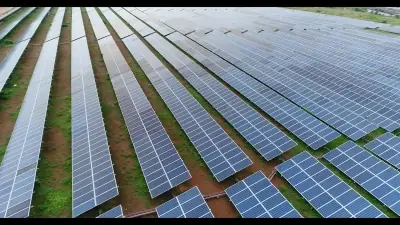
The rise of green energy tells a compelling story of innovation and policy alignment. India’s solar capacity exploded with massive additions in Rajasthan and Gujarat, while rooftop solar initiatives empowered millions of households. China dominated the wind sector, installing more turbines in months than many countries do in years, bolstered by aggressive grid expansions.
Experts attribute this pivot to a confluence of factors: plummeting costs of renewables, international climate commitments, and domestic air quality crises. ‘This isn’t just a dip; it’s a structural change,’ noted energy analyst Dr. Priya Sharma. Governments in both nations have doubled down with subsidies, auctions, and mandates favoring clean sources.
Economic implications ripple far beyond borders. Reduced coal reliance eases import pressures on India and optimizes China’s vast domestic reserves for strategic use. Job creation in green sectors outpaces coal layoffs, fostering sustainable employment. Yet challenges persist: integrating intermittent renewables demands smarter grids and storage solutions.
As COP conferences loom, this India-China synergy underscores a broader global momentum. The report projects coal’s share could halve by 2030 if trends hold, paving the way for net-zero ambitions. For energy-hungry economies, the message is clear: the future is green, bright, and powering ahead.