In an age of widespread protests shaking governments worldwide, the Zanzibar Revolution of 1964 stands as a stark reminder of how swiftly power can shift. On January 12, 1964, African rebels overthrew the Arab-dominated sultanate on the Zanzibar archipelago off Africa’s east coast, forcing Sultan Jamshid bin Abdullah to flee into permanent exile.
The islands, long infamous as a hub for the slave trade under British colonial rule, had simmered with resentment. Just decades earlier, in 1896, a bizarre 38-minute naval bombardment by British forces had crushed resistance, etching the shortest war in history into the annals. But nearly 98 years later, history repeated with far bloodier consequences.
Led by John Okello, a fiery Ugandan activist, the uprising erupted with shocking speed. Rebels stormed police stations, government buildings, and the sultan’s palace. Within hours, the monarchy crumbled. Sheikh Abeid Amani Karume emerged as the new president, marking the end of over 200 years of Arab political dominance.
The revolution unleashed chaos. Ethnic violence targeted Arabs and Indians, with widespread looting, killings, and displacements. Thousands perished or fled. Yet, it empowered the African majority, paving the way for Zanzibar’s union with Tanganyika just months later to form modern Tanzania.
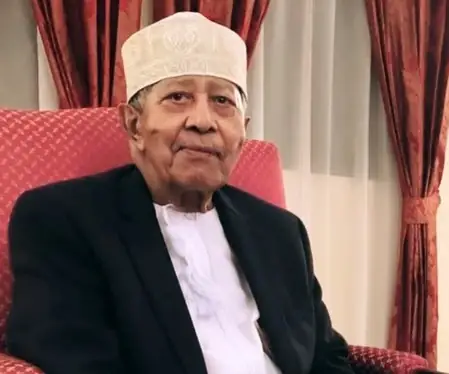
Sultan Jamshid, who lived in exile until his death in Oman on December 30, 2024, symbolized the old order’s fall. Today, as crowds demand change from Delhi to Dakar, Zanzibar’s story underscores the volatile mix of inequality, ethnicity, and resolve that can topple regimes overnight.