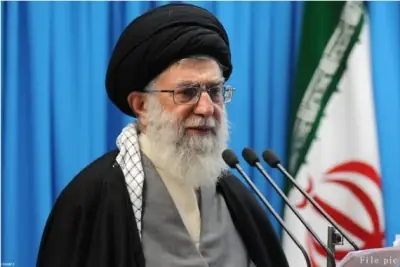
New Delhi, January 11 – Since late December, Iran’s streets have been ablaze with fury against Supreme Leader Ayatollah Ali Khamenei’s regime. What began as scattered demonstrations has morphed into a full-throated uprising, claiming over 115 lives and leading to more than 2,000 arrests. Analysts are now whispering about the unthinkable: a potential coup d’état, drawing eerie parallels to recent upheavals in Bangladesh, Nepal, and Venezuela.
The spark in Iran? A toxic brew of skyrocketing inflation, rampant unemployment, draconian curbs on social freedoms, and an iron-fisted centralization of power. Protesters, especially youth and women, are flooding university campuses and city squares, their voices amplified despite a 60-hour internet blackout.
Look to Bangladesh for a blueprint. There, opposition to Sheikh Hasina’s government ignited among students, swelling into violent clashes that toppled her administration after deadly confrontations. Nepal’s Jenjii Movement followed suit in 2025 – social media-fueled protests that snowballed into regime change. And Venezuela? The U.S. swooped in dramatically, whisking away President Nicolas Maduro to New York amid airstrikes, a move cheered by locals despite global backlash.
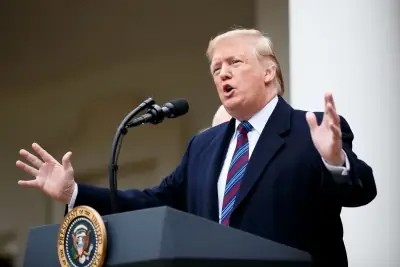
Is America pulling strings again? Washington has vocally backed Iran’s demonstrators, issuing stark warnings to Khamenei’s forces: crack down, and face retaliation. While hard evidence of direct U.S. involvement remains elusive, the pattern – from sanctions to human rights condemnations – is familiar.
Tehran fires back, accusing foreign powers of stoking chaos. In a defiant video, Khamenei boasted of Iran’s resilience: ‘They’ve thrown everything at us – military, economic, cultural assaults – but the Islamic Republic stands stronger than ever, against their wishes.’
As blackouts persist and deaths mount, Iran’s future hangs in the balance. Will this wave crash like its predecessors, or can the regime weather the storm? The world watches with bated breath.