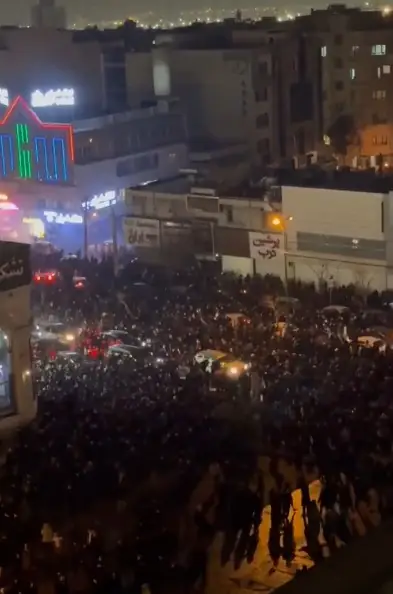

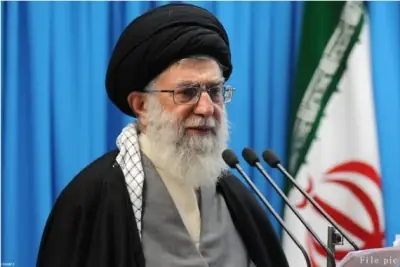
Protests raging across Iran for over two weeks have turned deadly, with at least 116 people killed and around 2,638 arrested, according to human rights monitors. The unrest, sparked against Supreme Leader Ayatollah Ali Khamenei, has prompted a nationwide internet blackout now stretching beyond 60 hours, isolating demonstrators from the world.
Iranian authorities have escalated their crackdown, with Attorney General Mohammad Movahhedi Azad warning that participants in the protests could face charges of being ‘enemies of God,’ punishable by death. Even those providing aid to protesters risk the same fate. This hardline rhetoric comes as the government accuses foreign powers of fomenting the chaos.
The United States has repeatedly cautioned Tehran against further violence, with officials urging restraint and hinting at potential military consequences. In a sharp retort, Iran has vowed retaliatory strikes on U.S. bases, shipping targets, and even Israeli positions if America intervenes. Israeli media reports indicate Tehran has directly warned former President Trump of targeting Tel Aviv and nearby American military installations in any escalation.
Israel remains on high alert, fearing spillover from the Iranian unrest. Iran’s Parliament Speaker has echoed these threats, stating that any U.S. attack amid the protests would trigger assaults on American assets, posing direct risks to Israeli security. As the death toll mounts and arrests surge, the standoff between Tehran and its adversaries intensifies, raising fears of broader regional conflict.
The internet shutdown, now in its third day, has crippled communication, preventing protesters from coordinating or sharing evidence of brutality. Human rights groups like HRANA continue to document the scale of the repression, calling for international pressure on Khamenei’s regime. With tensions boiling over, the world watches warily as Iran balances domestic fury with geopolitical brinkmanship.