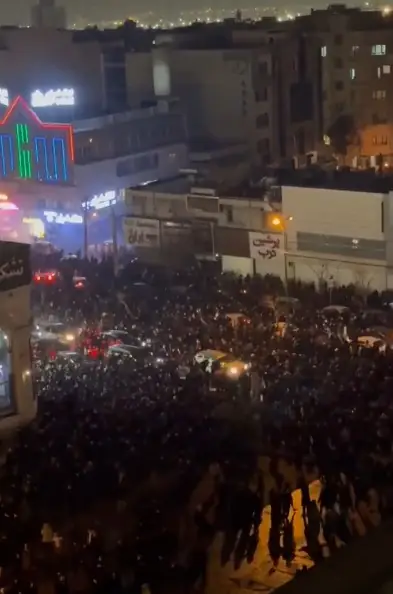

New Delhi, January 11 – A single image often defines a movement, capturing its raw emotion and enduring legacy. In Iran’s latest wave of protests, a woman with a cigarette clenched between her lips sets fire to the supreme leader’s portrait. This powerful symbol of defiance against political oppression harkens back to a tragic moment 14 years ago: the death of Neda Agha-Soltan.
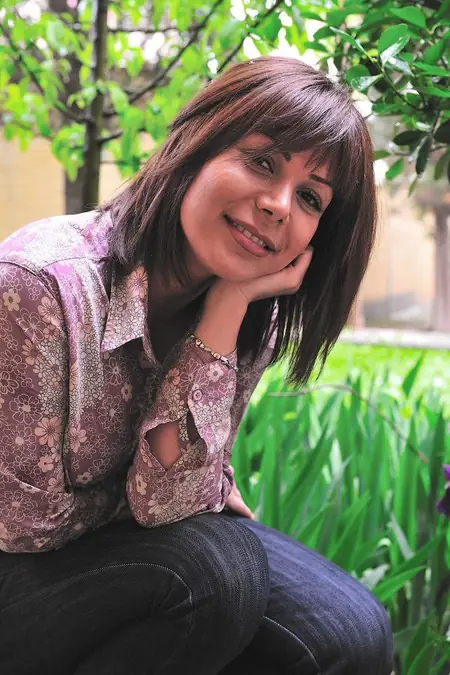
Neda’s name remains synonymous with resistance in Iran. On June 20, 2009, amid street demonstrations against rigged election results, the 26-year-old was watching from the sidewalk when a bullet struck her. Within two minutes, she lay dying, her final moments captured on a bystander’s phone. The video exploded across social media, turning an ordinary young woman into a global icon of brutality.
Neda means ‘voice’ in Persian, a fitting name for someone whose death amplified the cries of the oppressed. Her mother described her as a free-spirited advocate for gender equality, who despised mandatory veils and championed women’s rights. Today, as inflation soars, unemployment bites, and social restrictions tighten, protesters – especially women – channel that same spirit.
Unlike 2009’s election-focused unrest, current demonstrations target the regime’s chokehold on daily life. Internet blackouts, mass arrests, and threats of violence mirror past tactics, yet digital tools now spread the message faster. Women lead the charge, burning hijabs and facing batons, proving Neda’s story unfinished.
This resurgence suggests Iran teeters on the edge of deeper change. Protesters believe, as Neda’s video proved, truth cannot be silenced forever. With global eyes watching, the flames of dissent burn brighter, demanding dignity and freedom.