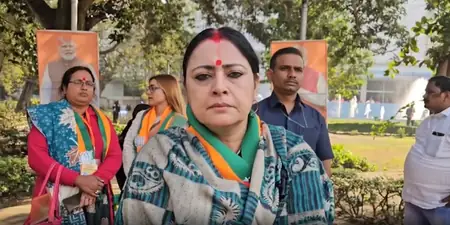
In a significant political statement, AAP leader Alka Lamba has attributed the transfer of the Ankita Bhandari murder investigation to the CBI directly to the relentless public movement that demanded justice. The case, which shook Uttarakhand and the nation last year, involved the brutal murder of a 19-year-old receptionist at a resort owned by a former BJP minister’s son. Lamba emphasized that it was the voices of the common people, not governmental benevolence, that forced the state’s hand.
Ankita Bhandari, a young woman from Pauri Garhwal, was allegedly pushed to her death from a cliff by the resort owners in September 2022. The incident sparked widespread outrage, with protests erupting across the state. Families, activists, and opposition parties rallied under the banner of ‘Justice for Ankita,’ pressuring the BJP-led government to act. Initially handled by local police, the probe faced accusations of tampering and inaction, fueling demands for a central agency intervention.
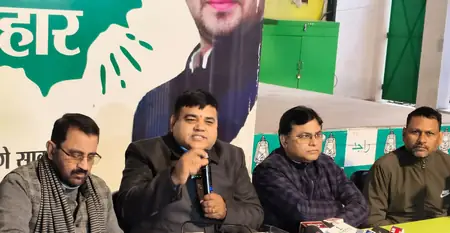
‘This is the victory of the people’s movement,’ Lamba declared during a press conference in Dehradun. She recounted how thousands took to the streets, braving police barricades and adverse weather, to ensure Ankita’s killers wouldn’t escape. The AAP leader slammed the state government for delaying the CBI handover, calling it a ‘face-saving tactic’ after months of stonewalling. Only after sustained agitation did the Uttarakhand High Court step in, directing the transfer in October 2023.
Lamba didn’t hold back on criticizing the BJP’s handling of the case. She pointed to Pulkit Arya, son of ex-minister Renu Bisht, as the prime accused, and questioned why influential connections seemed to shield him initially. The CBI’s involvement has already led to fresh summons and forensic reevaluations, promising a more impartial inquiry. ‘The public won’t rest until the guilty are punished,’ she vowed, urging continued vigilance.
This development underscores the power of collective action in India’s democracy. As the CBI delves deeper, uncovering potential lapses in the initial investigation, Ankita’s tragic story serves as a stark reminder of the vulnerabilities faced by young women in remote areas. Lamba’s remarks highlight how grassroots movements can pierce political armor, setting a precedent for future cases of injustice.