
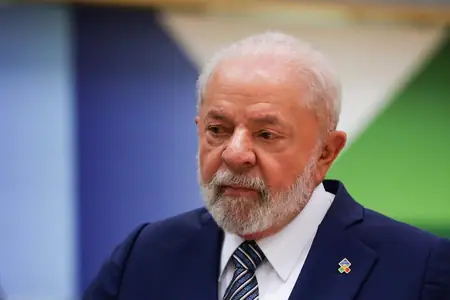
In a significant diplomatic exchange, Brazilian President Luiz Inacio Lula da Silva held a telephonic conversation with Spanish Prime Minister Pedro Sanchez on Friday. The leaders delved into the pivotal Mercosur-EU free trade agreement, amid recent farmer protests in France, and addressed the escalating tensions in Venezuela.
Lula expressed gratitude to the Spanish government for backing the trade deal, describing it as a vital step towards multilateralism and stable global trade rules. The agreement, if finalized, would create the world’s largest free-trade zone, linking 27 European nations with South American powerhouses like Brazil, Argentina, Paraguay, and Uruguay.
French farmers have voiced strong opposition, fearing an influx of cheap agricultural imports from Mercosur countries that could undercut local prices and devastate their livelihoods. This deal promises boosted exports of European cars, machinery, wine, and spirits to Latin America, but at what cost to European agriculture?
Mercosur, the Southern Common Market, aims to foster economic integration among its members. The discussion also touched on Venezuela’s precarious situation. Both leaders endorsed a joint statement from Chile, Colombia, Mexico, and Uruguay, condemning unauthorized use of force in international relations per the UN Charter.
They welcomed Venezuelan National Assembly President Jorge Rodriguez’s announcement releasing four Spanish citizens alongside Venezuelan and foreign detainees. Lula confirmed Brazil’s aid shipment of 40 tons of dialysis supplies and medicines to a distribution center damaged by US bomb blasts, underscoring humanitarian commitments.
The call highlighted plans for an upcoming forum in Spain on ‘Defending Democracy: Combating Extremism.’ Meanwhile, Venezuela’s interim President Delcy Rodriguez spoke with Lula, Colombian President Gustavo Petro, and Sanchez, stressing unity against alleged US-armed attacks on her nation, which she claims violate international law and sovereignty.
Rodriguez detailed assaults causing civilian and military casualties, advocating for bilateral cooperation rooted in dialogue and respect for sovereignty. This series of high-level talks signals a concerted Latin American and European push for trade stability and regional peace amid global uncertainties.