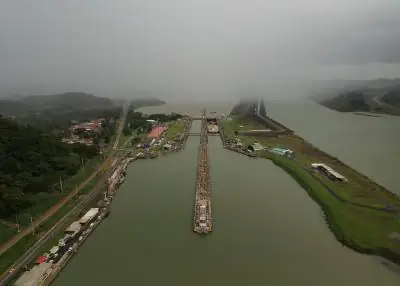
The Panama Canal has long transcended its role as a mere waterway, embodying the shifting tides of global power for over a century. In January 1962, riots erupted in Panama City, laying bare the stark power imbalances of the era. The United States held near-total dominance over this vital artery, sparking outrage among Panamanians, particularly the youth, who questioned why their own land hosted such a crucial international passage under foreign control.
These protests marked the ignition of a nationalist fervor that would eventually reshape U.S. policy. During the 1960s, amid the Cold War, America viewed the canal as indispensable for its naval strategy and global commerce. Yet, rising Panamanian movements signaled that colonial-era control over sensitive territories was unsustainable. The 1962 unrest sent a clear message worldwide: the canal’s fate was not just administrative but a matter of sovereignty and dignity.
This momentum culminated in the 1977 Torrijos-Carter Treaties, which outlined a phased handover of the canal to Panama. On December 31, 1999, Panama assumed full control, ending direct U.S. oversight and heralding a new diplomatic era. While America relinquished military and administrative reins, its strategic interests lingered.
Fast-forward to 2026, and the canal once again dominates headlines, though the dynamics have evolved. U.S. influence now operates through partnerships, diplomacy, and security ties rather than outright control. Meanwhile, China’s expanding footprint in Panama and Central America—via trade, ports, and infrastructure—has recast the canal as a flashpoint in great-power rivalry.
Compounding these geopolitical tensions, climate change introduces operational hurdles. Water shortages have disrupted global supply chains, amplifying the canal’s strategic value. Major trading nations, including the U.S., now frame its stability as a cornerstone of worldwide economic security.
From the 1962 riots to today’s complexities, the canal’s saga underscores how grassroots voices can reshape international orders. The echoes of that anger persist, influencing global politics decades later and proving that sovereignty struggles endure beyond their origins.