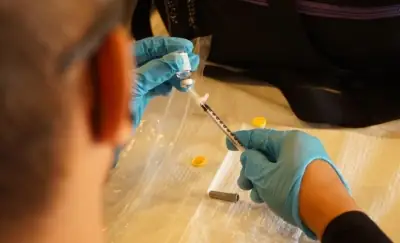
In the battle against cervical cancer, one of the most preventable yet deadly diseases affecting women worldwide, vaccination, regular screening, and prompt treatment emerge as the most powerful weapons. Health experts emphasize that this cancer, primarily caused by persistent infection with high-risk types of human papillomavirus (HPV), can be largely eradicated through proactive measures.
The HPV vaccine stands at the forefront of prevention. Recommended for girls aged 9-14 before they become sexually active, vaccines like Gardasil and Cervarix target the most oncogenic HPV strains responsible for over 90% of cervical cancers. Recent global campaigns have accelerated vaccination drives, with India aiming to cover millions of adolescent girls. Success stories from countries like Australia, where vaccination has slashed cervical cancer rates by nearly 50%, offer hope.
Screening remains crucial for early detection. Pap smears, HPV DNA tests, and visual inspection with acetic acid (VIA) are game-changers. The World Health Organization advocates for twice-yearly screenings for women aged 30-49 in high-burden areas. In India, where cervical cancer claims over 75,000 lives annually, government initiatives like the National Programme for Prevention and Control of Cancer, Diabetes, Cardiovascular Diseases & Stroke are expanding access to these tests in rural areas.
Early treatment transforms outcomes. Precancerous lesions detected via screening can be treated with simple procedures like cryotherapy or loop electrosurgical excision. Advanced cases require surgery, radiation, or chemotherapy, but timely intervention boosts survival rates to over 90%. Experts stress reducing diagnosis delays, which often stem from stigma, lack of awareness, and limited healthcare access.
Challenges persist, including vaccine hesitancy fueled by myths, unequal distribution in low-income regions, and the need for male vaccination to curb transmission. Yet, with concerted efforts from governments, NGOs, and communities, cervical cancer could become a rarity. As Dr. Gro Harlem Brundtland, former WHO Director-General, noted, ‘Cervical cancer is a disease we can prevent and control.’ Empowering women with knowledge and tools is the path forward.