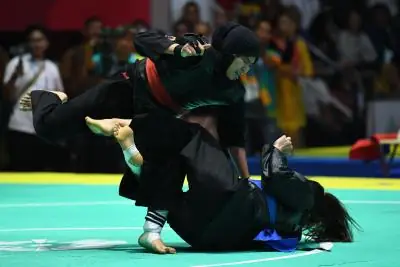
In the lush archipelago of Indonesia, a centuries-old combat tradition thrives, blending lightning-fast strikes, graceful movements, and unyielding self-defense techniques. Pencak Silat, the nation’s proud martial art, captivates practitioners worldwide with its unique fusion of physical prowess and spiritual depth.
Originating from the Minangkabau warriors of West Sumatra and spreading across the Malay world, Pencak Silat evolved as a practical response to tribal conflicts and colonial threats. Unlike rigid styles, it emphasizes fluidity—flowing seamlessly between empty-hand combat, weaponry, and acrobatic evasion. Fighters train in jurus, choreographed forms that mimic animal movements, honing reflexes that turn defense into devastating counters.
What sets Pencak Silat apart is its holistic approach. Beyond punches and kicks, it incorporates joint locks, throws, and ground fighting, making it versatile for real-world scenarios. Weapons like the keris dagger or parang machete add lethal layers, taught with precision to disarm opponents swiftly.
Today, Pencak Silat enjoys UNESCO recognition as an Intangible Cultural Heritage, with millions practicing in dojos from Jakarta to global diaspora communities. Tournaments showcase not just combat prowess but artistic performances, where warriors dance with swords in rhythmic harmony.
As modern self-defense demands grow, Pencak Silat’s emphasis on awareness, agility, and adaptability resonates deeply. Whether for sport, protection, or cultural preservation, this Indonesian gem offers timeless lessons in resilience and grace.