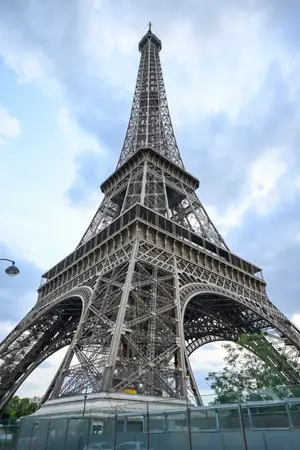
Paris erupted in chaos as furious French farmers took to the streets, blocking major roads and converging on iconic landmarks like the Eiffel Tower and Arc de Triomphe. Their rage targets the proposed EU-Mercosur free trade agreement, which they fear will flood markets with cheap South American imports, devastating local agriculture.
On Thursday, protesters smashed through police checkpoints, jammed Champs-Élysées with tractors, and halted traffic around key monuments before dawn. The right-wing Rural Coordination Union spearheaded the capital’s demonstrations, warning of an import tsunami of low-cost food that could cripple French prices.
Adding fuel to the fire is widespread anger over President Macron’s handling of livestock diseases. Farmers feel abandoned, likening their plight to being sidelined for high-tech sectors like space shuttles and Airbus. In central France’s Vienne region, union vice-president Stéphane Pelletier captured the mood: ‘We’re caught between anger and despair, feeling as isolated as Mercosur itself. We’ve been discarded for shuttles, Airbus, or cars.’
Government spokesperson Maud Bregeon condemned the blockades as illegal on France Info radio, stressing that obstructing motorways or assembling near the National Assembly crosses legal lines. This outburst follows the European Commission’s recent proposal to fast-track €45 billion in EU farm funding while easing import tariffs on some fertilizers to sway hesitant nations like France on Mercosur.
The EU-Mercosur pact promises the world’s largest free-trade zone, boosting exports of cars, machinery, wine, and spirits to Latin America from the 27-nation bloc. Yet, for French growers, it spells doom: powerhouses like Brazil and neighbors could undercut prices on meat, grains, and dairy, threatening livelihoods built over generations.
Mercosur unites Argentina, Brazil, Paraguay, and Uruguay in a southern powerhouse. As tensions simmer, farmers vow sustained action, demanding protection for their sector amid global trade shifts. Paris’s streets, usually bustling with tourists, became battlegrounds for food sovereignty, signaling deeper cracks in Europe’s agricultural heartland.