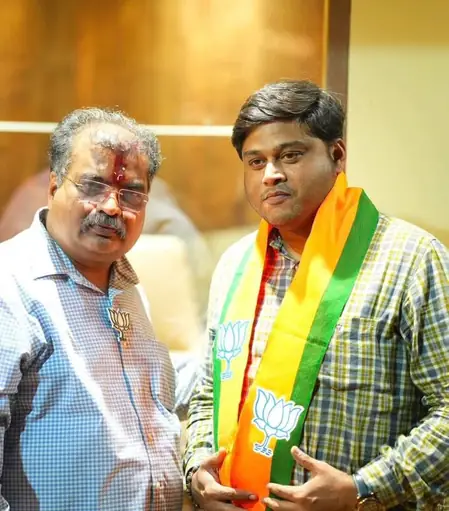

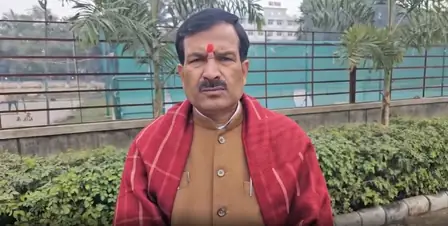
In a heated political exchange in Bihar, RJD spokesperson has fiercely criticized BJP leader Suresh Pasi’s recent statement, accusing the saffron party of deliberately stoking religious hatred to divide communities. The controversy erupted after Pasi’s remarks, which many interpreted as inflammatory and aimed at polarizing voters along religious lines ahead of key elections.
RJD spokesperson, speaking to reporters in Patna, minced no words. ‘BJP’s agenda is clear – they want to spread hatred in the name of religion,’ he declared. He pointed out that such rhetoric not only undermines social harmony but also distracts from pressing issues like unemployment, inflation, and poor infrastructure plaguing Bihar.
The spat highlights deepening rifts between Bihar’s major political players. With assembly polls on the horizon, opposition parties like RJD are ramping up attacks on BJP’s divisive tactics. Pasi’s statement, delivered at a public rally, reportedly targeted a specific community, drawing widespread condemnation from secular groups and minority leaders.
Political analysts note that BJP has often relied on polarizing narratives to consolidate its Hindu voter base in the state. However, critics argue this strategy risks alienating moderates and strengthening opposition unity. RJD has vowed to expose what it calls BJP’s ‘hate politics’ through public campaigns and legal challenges.
As tensions simmer, Bihar Chief Minister Nitish Kumar’s JD(U), an NDA ally, has remained silent, prompting speculation about internal discord. Meanwhile, social media is abuzz with memes and debates, amplifying the controversy. RJD leaders are planning statewide protests to counter what they term ‘communal poison’.
This episode underscores the high stakes in Bihar’s volatile political landscape, where every statement can sway public opinion. With elections looming, expect more such clashes as parties vie for dominance. The real question remains: will voters reward divisiveness or demand development?