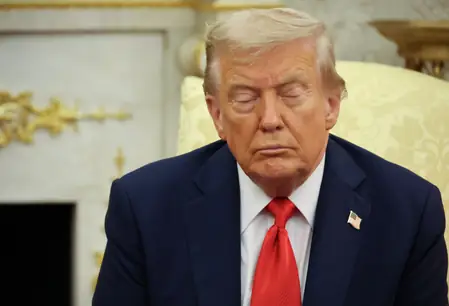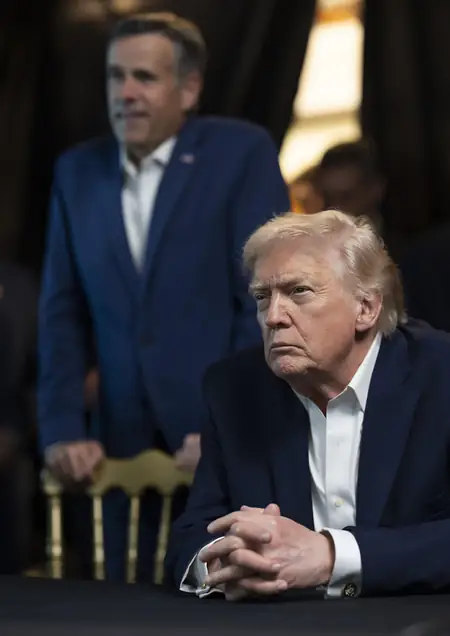
In a bold assertion of his ‘America First’ doctrine, President Donald Trump has announced the United States’ withdrawal from 66 international organizations dedicated to global welfare, including key climate change bodies. This sweeping decision marks a significant retreat from multilateral commitments, prioritizing domestic interests over international cooperation.
The move encompasses 35 non-UN entities and 31 United Nations agencies, as reported by sources close to the White House and State Department. Officials argue these groups squander American taxpayer dollars, operate inefficiently, and often work against U.S. priorities. ‘These organizations hinder our progress and burden our economy,’ stated Secretary of State Marco Rubio in a pointed statement.
Rubio emphasized that fulfilling campaign promises to American voters necessitated this action. ‘We’re ending funding to bureaucrats who undermine our interests. America and its people come first,’ he declared, underscoring the administration’s unwavering commitment to national sovereignty.
Among the casualties is the International Solar Alliance (ISA), spearheaded by India’s Prime Minister Narendra Modi and former French President François Hollande at the 2015 Paris Climate Conference. The U.S. is also exiting the United Nations Framework Convention on Climate Change (UNFCCC), a cornerstone 1992 accord ratified by nearly every nation, including the U.S. Senate in October of that year.
This UNFCCC pullout paves the way for abandoning the Paris Agreement, which Trump has long criticized. Notably, the U.S. skipped the November 2025 UN climate talks in Brazil. Other exits include the Intergovernmental Panel on Climate Change (IPCC), bodies Trump has repeatedly dismissed as fraudulent.
The administration’s earlier January 2025 departure from the World Health Organization (WHO) follows a similar pattern, with full exit set for after January 22, 2026, per notice requirements. Critics warn this isolationist stance could diminish U.S. influence on pressing global challenges, from climate crises to public health emergencies. Yet, supporters hail it as a long-overdue correction, freeing resources for domestic revitalization.
As the world grapples with interconnected threats, Trump’s gamble raises questions about the future of international collaboration without America’s participation. Will other nations step up, or will this fracture global unity further? The implications extend far beyond borders, reshaping diplomacy for years to come.