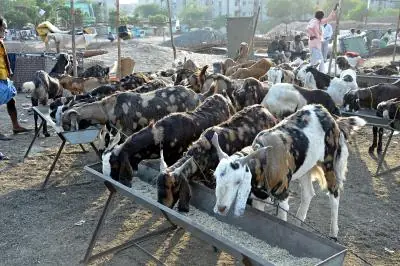
India’s agricultural economy is witnessing a remarkable surge, powered by the livestock sector’s consistent performance. A recent report reveals an average annual growth rate of 12.77 percent, underscoring the sector’s pivotal role in national development.
Over the past several years, livestock farming has emerged as a cornerstone of India’s rural economy. From dairy production to poultry and meat, every segment is expanding rapidly. This growth is not just numerical; it’s transforming lives in villages across the country.
Dairy, in particular, stands out with its massive contribution. India remains the world’s largest milk producer, and output has skyrocketed thanks to improved breeds, better feed, and government initiatives like the National Dairy Plan. Farmers are reaping benefits from higher yields and stable markets.
Poultry and fisheries are close behind, with modern techniques boosting efficiency. Eggs, chicken, and fish are now staples in urban diets, driving demand and investment. The sector employs millions, especially women, providing steady income in areas where crop farming falters.
Government policies have been instrumental. Subsidies for artificial insemination, veterinary services, and insurance schemes have minimized risks. Export opportunities are opening up, with organic and value-added products gaining global traction.
Challenges persist, including fodder shortages and disease outbreaks, but innovations like climate-resilient breeds offer hope. As climate change impacts crops, livestock’s resilience positions it as the future of Indian agriculture.
This robust growth signals a diversified agri-economy less vulnerable to monsoons. With continued support, the livestock sector could propel India towards doubling farmers’ incomes, fostering sustainable prosperity.