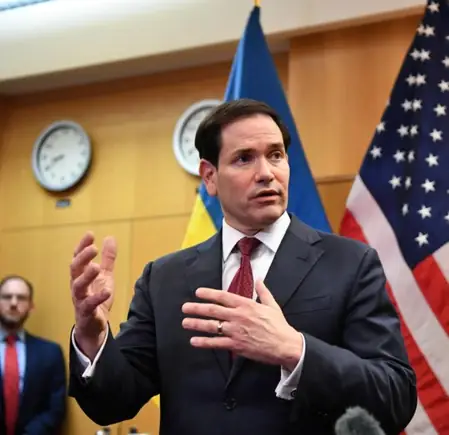
Washington is laying out a measured blueprint to reshape Venezuela’s future, with Secretary of State Marco Rubio detailing a three-pronged roadmap that prioritizes stability over snap polls. Speaking on the heels of President Nicolas Maduro’s ouster, Rubio emphasized that America’s involvement won’t fade anytime soon.
The plan unfolds in deliberate stages: stabilization, economic revival, and eventual political transition. ‘We can’t rush this,’ Rubio cautioned, pointing to decades of institutional decay that precipitated the crisis. Rushing elections now could unleash chaos, he argued.
Phase one zeroes in on quelling disorder. With Maduro gone, the focus shifts to preventing anarchy through ironclad controls on Venezuela’s vital oil exports. Rubio highlighted stringent sanctions enforcement and naval patrols as Washington’s leverage points, ensuring no illicit flows undermine the process.
Economic recovery forms the core of phase two. Here, doors reopen to U.S., Western, and approved foreign firms, kickstarting infrastructure rebuilds, power grid fixes, and a business-friendly climate. Reconciliation efforts will see opposition leaders freed and millions of expatriates lured back home.
Only in the final phase does political transition kick off—no timeline given. Rubio dismissed critics, noting the strategy’s vetting with Congress. This approach signals a pivot from direct regime change to economic chokeholds, particularly in energy, while countering China’s sway in Latin America.
For global markets like India’s, reliant on steady oil, this prolonged U.S. hand could ripple through supplies, underscoring the plan’s worldwide stakes.