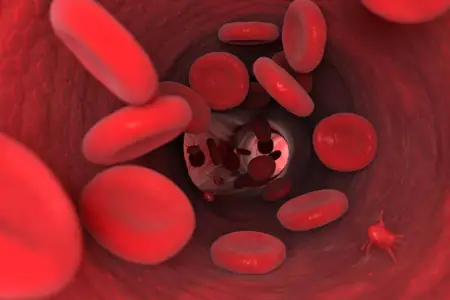
Pregnancy brings joy but also unique health challenges, with iron-deficiency anemia topping the list of concerns for expectant mothers. Affecting up to 50% of pregnancies worldwide, low hemoglobin levels can spell serious trouble for both mother and child. Experts warn that untreated anemia increases risks of preterm birth, low birth weight, and maternal fatigue that lingers postpartum.
What makes anemia so pervasive during pregnancy? The growing fetus demands more iron, blood volume expands by 50%, and dietary gaps often fail to keep pace. Symptoms creep in subtly—extreme tiredness, dizziness, pale skin, and shortness of breath—making early detection crucial.
Doctors emphasize routine blood tests from the first trimester. ‘Hemoglobin below 11 g/dL signals a red flag,’ says Dr. Priya Sharma, a leading obstetrician. Immediate intervention prevents complications like postpartum hemorrhage or developmental delays in infants.
Prevention starts with diet. Load up on iron-rich foods: spinach, lentils, red meat, and fortified cereals. Pair them with vitamin C sources like oranges and bell peppers to boost absorption. Folate from leafy greens and beans is equally vital.
Supplements play a starring role. Prenatal vitamins with 30-60 mg elemental iron daily are standard. But consult your doctor—excess iron can cause constipation or stomach upset. Herbal remedies like nettle tea show promise but lack robust evidence.
Lifestyle tweaks amplify results. Space meals to avoid nausea, stay hydrated, and cook in cast-iron pans for an iron boost. Regular prenatal check-ups ensure levels stay optimal.
Real stories underscore the stakes. Priya, a 28-year-old mother from Delhi, ignored her fatigue until a 8.5 g/dL reading prompted urgent treatment. Her baby arrived healthy at term, averting crisis.
In conclusion, anemia need not derail pregnancy. Vigilance, nutrition, and medical guidance form a powerful shield. Expectant moms: prioritize your blood health for a thriving duo.